
Introduction
Imagine escaping the noise of busy streets, leaving behind the endless notifications on your phone, and heading into the great outdoors, where towering trees sway gently in the breeze, birds sing from hidden branches, and the sky transforms into a breathtaking canvas of stars. As the sun disappears beyond the horizon and the evening air grows cooler, you settle into your campsite, surrounded by nature, with a warm sleeping bag and the comforting shelter of a reliable tent. Whether you’re planning a peaceful weekend in the mountains, a family camping trip beside a lake, a backpacking adventure through rugged trails, or an exciting night beneath the stars with friends, the right tent can make all the difference between an unforgettable experience and an uncomfortable night outdoors.
Choosing the perfect camping tent, however, involves more than simply finding a shelter that looks good or fits your budget. You need a tent that offers enough room to sleep comfortably, protects you from unexpected rain and chilly winds, provides adequate ventilation on warm nights, and can withstand the demands of your adventures. Factors such as capacity, material quality, waterproofing, setup time, weight, and packed size all influence how well a tent performs in different outdoor environments. A spacious family tent might be ideal for a relaxing weekend at an established campsite, while a lightweight backpacking tent may be a better companion for hikers who need to travel light. Similarly, campers who frequently encounter unpredictable weather may benefit from sturdy construction, reliable rain protection, and a well-designed rainfly.
With so many styles, sizes, and features available, finding a tent that balances comfort, durability, convenience, and value can feel overwhelming. That’s why we’ve put together this guide to the 9 Best Tents for Camping – Top Picks for Comfort, Weather Protection & Outdoor Adventures. We’ll explore nine camping tent options suited to different needs, from casual weekend getaways and family outings to more demanding outdoor excursions. Each review will highlight important specifications, standout features, advantages, potential drawbacks, and the types of campers who may benefit most from each option.
Whether you’re a first-time camper preparing for your very first night outdoors or an experienced adventurer looking to upgrade your existing gear, this guide will help you narrow down your choices and find a tent that suits your camping style. The goal is simple: to help you choose a dependable outdoor shelter that makes setting up camp easier, sleeping more comfortable, and every adventure a little more memorable. After all, the best camping tent isn’t necessarily the biggest or most expensive one—it’s the one that helps you feel protected, comfortable, and ready to enjoy wherever the trail takes you.
9 Best Tents for Camping – Top Picks for Comfort, Weather Protection & Outdoor Adventures
| # | Product Name | Capacity | Key Features | Best For |
|---|---|---|---|---|
| 1 | Coleman Sundome Camping Tent | 2–6 people, depending on model | Rainfly, WeatherTec features, easy setup, ventilation | Beginners and weekend camping |
| 2 | CORE 9 Person Instant Cabin Tent | 9 people | Instant setup design, spacious interior, large windows | Families and group camping |
| 3 | Coleman Skydome Dark Room Tent | Multiple sizes | Dark Room technology, rainfly, quick setup design | Campers who prefer a darker sleeping area |
| 4 | Kelty Grand Mesa Backpacking Tent | 2 or 4 people, depending on model | Lightweight design, freestanding structure, compact packing | Backpacking and hiking |
| 5 | Naturehike Cloud-Up Backpacking Tent | 1–3 people, depending on model | Lightweight construction, compact design, rainfly | Solo campers and backpackers |
| 6 | ALPS Mountaineering Lynx Tent | 1–4 people, depending on model | Freestanding design, two-pole setup, vestibule storage | Casual camping and outdoor trips |
| 7 | CAMPROS 8 Person Camping Tent | 8 people | Spacious interior, room divider on applicable models, mesh windows | Families and group outings |
| 8 | UNP 6 Person Camping Tent | 6 people | Family-sized interior, mesh ventilation, rainfly | Family camping and weekend getaways |
| 9 | Marmot Tungsten Camping Tent | Multiple sizes | Weather-resistant design, vestibule storage, compact construction | Campers seeking a versatile outdoor shelter |
1. Coleman 3-Person Camping Tent
The Coleman 3-Person Camping Tent is a practical outdoor shelter designed for campers and hikers who want a comfortable, dependable place to rest after a day of exploring nature. With its classic dome-shaped design, blue color, and three-person capacity, this tent is a suitable option for weekend camping trips, outdoor getaways, and adventures where having a dedicated shelter makes the experience more enjoyable.
Imagine arriving at a peaceful campsite as the sun begins to set, pitching your tent beneath a canopy of trees, and settling in for an evening surrounded by fresh air and the sounds of nature. A tent like this offers a designated space to sleep, organize essential belongings, and take a break from the elements. Its dome design is a familiar choice for recreational camping, while its intended three-season use makes it relevant for spring, summer, and fall adventures in suitable weather conditions.
One of the tent’s key features is its inclusion of a rainfly and ground vent. The rainfly provides an additional layer of weather protection when properly fitted, while the ground vent is intended to support airflow inside the tent. These features are useful considerations for campers who want to balance shelter, ventilation, and comfort during outdoor stays. Its standard water-resistant construction also offers a degree of protection against moisture, although the supplied specifications do not establish a particular waterproof rating or guarantee performance in heavy rain.
Designed for camping and hiking, the Coleman tent is worth considering for outdoor enthusiasts seeking a straightforward shelter without the complexity of a specialized expedition tent. However, the actual sleeping space, packed weight, setup method, and detailed weather-performance limits should be checked against the exact Amazon listing before purchasing.
Key Specifications
-
Brand: Coleman
-
Recommended Uses: Camping and hiking
-
Shape: Dome
-
Occupancy: 3 people
-
Season Rating: 3-season
-
Design: Camping tent
-
Color: Blue
-
Included Components: Ground vent and rainfly
-
Water Resistance Technology: Standard water resistance
Key Features
Three-Person Sleeping Capacity
The Coleman tent is designed to accommodate up to three occupants, making it an option for small groups, couples who want extra room, or solo campers who prefer more space for their sleeping gear. Its stated capacity provides flexibility for different types of outdoor trips.
However, the advertised capacity does not necessarily mean three adults will have plenty of room for luggage and other equipment. Campers who prioritize personal space may want to check the floor dimensions and consider whether a larger tent would better suit their needs.
Classic Dome-Shaped Design
The dome shape gives this tent a familiar profile suited to recreational camping. Dome tents are popular because their curved structure can provide useful interior space without requiring the tall, rigid frame associated with some cabin-style tents.
For campers who want a straightforward shelter for a weekend away, this design offers a practical starting point. Before purchasing, it is worth checking the manufacturer’s setup instructions to understand how the poles and tent body are assembled.
Three-Season Camping Versatility
The Coleman tent is rated for three-season use, making it intended for camping during spring, summer, and fall under appropriate conditions. This versatility makes it relevant to campers who enjoy different outdoor destinations throughout the year.
During warmer trips, ventilation becomes especially important. In cooler weather, a suitable sleeping bag, insulated sleeping pad, and appropriate clothing will help improve comfort. A three-season rating should not be confused with a guarantee of protection during severe storms, heavy snowfall, or extreme cold.
Rainfly for Additional Weather Protection
The included rainfly is an important feature for campers who may encounter changing weather. When installed correctly, a rainfly provides an additional barrier against rain and helps protect the tent’s inner area from moisture.
This can be especially useful when camping in locations where a clear afternoon can turn into a rainy evening. Nevertheless, the supplied specifications identify only standard water resistance, so buyers should verify the product’s waterproof rating, seam construction, and recommended weather limitations before relying on it during prolonged rainfall.
Ground Vent for Airflow
Ventilation can make a noticeable difference to sleeping comfort, particularly when several people share a tent. The included ground vent is designed to support air circulation, helping reduce the feeling of stuffiness inside the shelter.
Good ventilation is also helpful because moisture from breathing and damp outdoor conditions can contribute to condensation inside a tent. For the best results, campers should follow the manufacturer’s guidance on ventilation and avoid blocking the tent’s vents with sleeping bags or other equipment.
Blue Color and Outdoor Appeal
The blue finish gives the tent a recognizable outdoor look that fits naturally into a campsite setting. While color is primarily a matter of personal preference, it can also help campers identify their shelter among other tents at a busy campground.
Its simple camping-oriented design makes it suitable for people who value practical outdoor equipment over elaborate styling.
Comfort & Outdoor Design
The Coleman 3-Person Camping Tent is designed around the basic needs of recreational campers: sleeping space, shelter, and ventilation. Its three-person capacity offers flexibility for small groups, while the dome shape provides a familiar design for overnight outdoor stays.
For a more comfortable camping experience, consider the number of people sharing the tent and the equipment that needs to fit inside. Three occupants may have limited space for backpacks, shoes, and other personal belongings, depending on the tent’s actual floor dimensions.
The ground vent is another useful detail because comfort depends on more than sleeping capacity alone. Air circulation, suitable bedding, a level campsite, and proper positioning can all contribute to a better night’s rest.
The available specifications do not state the tent’s weight, packed dimensions, pole materials, or setup time. Hikers planning to carry it over long distances should verify these details before deciding whether it is suitable for backpacking.
Weather Protection & Performance
The tent’s rainfly, standard water resistance, and three-season classification make weather protection an important part of its intended use.
The rainfly provides an additional protective layer, while the tent’s water-resistant construction is intended to help manage exposure to moisture. These features may be useful for ordinary recreational camping when the tent is correctly pitched and used within its design limits.
However, weather resistance has practical limitations. The supplied details do not specify a hydrostatic-head waterproof rating, wind-resistance rating, or performance under prolonged heavy rain. Campers should therefore avoid assuming that the tent is suitable for severe weather simply because it includes a rainfly.
For a better outdoor experience:
-
Choose a well-drained campsite rather than a low spot where rainwater may collect.
-
Install the rainfly according to the manufacturer’s instructions.
-
Keep ventilation openings clear to encourage airflow.
-
Use an appropriate groundsheet if recommended, making sure it does not extend beyond the tent and collect rainwater.
-
Check the forecast and avoid camping in exposed locations during severe weather.
These precautions can help campers make better use of the tent’s protective features while reducing avoidable discomfort.
Best Uses
The Coleman 3-Person Camping Tent may be particularly suitable for the following activities:
-
Weekend camping: A practical option to consider for short outdoor getaways.
-
Hiking trips: Relevant to hikers who need an overnight shelter, provided its weight and packed size suit their route.
-
Couples’ camping: The three-person capacity may offer additional room for two people and some of their gear.
-
Small-group adventures: Its stated occupancy makes it worth considering for trips involving up to three occupants, depending on their space requirements.
-
Spring and fall camping: Its three-season classification suits many mild-weather trips within the manufacturer’s recommended conditions.
-
Summer outdoor activities: The ground vent may help support airflow during warmer camping trips.
-
Beginner camping: Its conventional dome design may appeal to people looking for a recreational camping tent rather than a specialized expedition shelter.
Pros & Cons
Pros
-
Three-person stated occupancy.
-
Classic dome-shaped design.
-
Intended for camping and hiking.
-
Three-season classification offers versatility for suitable conditions.
-
Includes a rainfly for additional weather protection.
-
Ground vent supports airflow.
-
Blue color provides a simple outdoor appearance.
-
Suitable for consideration by couples, solo campers, and small groups.
Cons
-
The actual interior dimensions are not provided in the supplied specifications.
-
Three occupants may have limited space for personal gear.
Why We Selected It
The Coleman 3-Person Camping Tent earns a place in this roundup because its stated capacity, conventional dome shape, three-season classification, and included rainfly make it a relevant option for everyday recreational camping.
Its design addresses several basic camping needs without relying on complicated features. The three-person capacity provides flexibility for different sleeping arrangements, while the ground vent supports airflow and the rainfly adds a layer of protection against changing outdoor conditions.
It may be particularly appealing to campers planning weekend getaways, couples looking for additional sleeping space, or small groups who want a tent designed for general outdoor use. Its suitability for hiking, however, will depend on the exact model’s weight and packed dimensions.
For this 9 Best Tents for Camping – Top Picks for Comfort, Weather Protection & Outdoor Adventures guide, the Coleman 3-Person Camping Tent represents a practical option to consider for campers seeking a traditional dome-style shelter. Before making a final purchase, compare the exact Amazon listing’s dimensions, materials, waterproofing details, and customer feedback to ensure the tent meets your expectations.
Also read : 5 Best Camping Tent for Hunting
2. CORE 9-Person Instant Cabin Camping Tent
The CORE 9-Person Instant Cabin Camping Tent is a spacious outdoor shelter designed for families, groups, and campers who want plenty of room without spending too much time setting up camp. Manufactured by CORE, this rectangular tent combines an instant setup system, a tall interior, adjustable ventilation, and weather-resistant construction to make outdoor stays more convenient and comfortable.
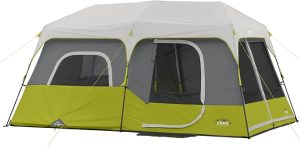
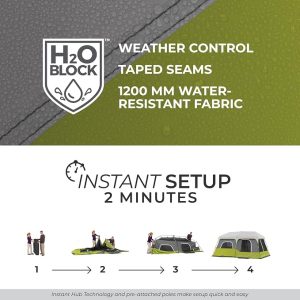
Imagine arriving at your favorite campsite with family or friends, unloading your sleeping bags and camping equipment, and having your shelter ready in just a few minutes. Instead of struggling with a complicated pole assembly while daylight fades, you can take advantage of the tent’s pre-attached poles and instant pop-up technology, which are designed to lock into place in two minutes or less. This quick setup makes the tent particularly appealing to campers who prefer spending more time enjoying the outdoors and less time preparing their campsite.
Space is another major highlight. Measuring 14 feet by 9 feet with a 78-inch center height, the tent provides a generous interior that can accommodate two queen-size air beds. Although it is advertised as a nine-person tent, CORE specifies that it comfortably accommodates approximately four people with their gear or up to nine people without gear. This distinction is important because the number of occupants a tent can technically hold is not always the same as the number who can sleep comfortably with personal belongings.
Weather protection is also an important part of the design. The tent features CORE H20 Block Technology with 1200mm fabric, a fully taped rainfly, and sealed seams to help protect the interior from moisture. Fully zipped windows, adjustable lower vents, and a mesh ceiling help balance protection with airflow, while included guylines and steel stakes provide additional support when the tent is properly secured.
With its combination of quick setup, spacious accommodation, interior storage pockets, and adjustable ventilation, the CORE 9-Person Instant Cabin Camping Tent is worth considering for family holidays, group camping weekends, and extended outdoor getaways. Its relatively substantial weight, however, makes it more suitable for campsite-based trips than for hikers who need to carry their shelter over long distances.
Key Specifications
-
Brand: CORE
-
Product Dimensions: 168″L × 108″W × 78″H
-
Item Weight: 27.6 pounds
-
Floor Width: 9 feet
-
Recommended Uses: Camping and hiking
-
Shape: Rectangular
-
Occupancy: 9 people
-
Season Rating: 3-season
-
Material: Polyester
-
Water Resistance Technology: 1200mm
-
Included Components: Rainfly
-
Sleeping Capacity: Up to 9 people without gear; approximately 4 people with gear
-
Center Height: 78 inches
-
Setup System: Instant pop-up technology with pre-attached poles
-
Weather Protection: H20 Block Technology, taped rainfly, and sealed seams
-
Ventilation: Lower air vents, mesh ceiling, and fully zipped windows
-
Additional Accessories: Guylines and steel stakes
-
Interior Organization: Storage pockets
Key Features
Instant Pop-Up Technology for Fast Setup
One of the biggest attractions of the CORE 9-Person Instant Cabin Tent is its quick setup system. Its pre-attached poles are designed to lock into place, allowing the tent to be assembled in two minutes or less under suitable conditions.
This feature can be particularly useful when arriving at a campsite late in the afternoon, setting up with children, or preparing for a weekend trip when time is limited. Instead of assembling each pole individually, campers can focus on positioning the tent and securing it properly.
Although the instant setup system reduces assembly time, campers should still follow the manufacturer’s instructions for anchoring the tent and attaching or adjusting the included weather-protection components.
Spacious Interior for Families and Groups
With dimensions of approximately 14 feet by 9 feet and a center height of 78 inches, this tent offers substantial room for a large camping group. Its rectangular floor layout helps make the interior easier to arrange, whether campers are using air mattresses, sleeping bags, or a combination of bedding and storage equipment.
CORE states that the tent can accommodate two queen-size air beds. This provides flexibility for families or couples who prefer raised sleeping surfaces instead of sleeping directly on the ground.
However, the nine-person rating assumes a relatively tight arrangement without additional gear. For a more comfortable experience, the manufacturer’s guidance suggests approximately four people with their equipment. This makes it important to choose the tent according to your preferred sleeping arrangement rather than capacity alone.
78-Inch Center Height for Easier Movement
The tent’s 78-inch center height provides useful headroom for many adults, making it easier to change clothes, organize belongings, and move around without constantly crouching.
This extra vertical space can make a noticeable difference during longer camping trips, particularly when several people share the same shelter. It also contributes to the open feel of the cabin-style interior.
The 78-inch measurement refers to the center height, however, so the roof slopes toward the sides. Standing room will therefore vary depending on where you are inside the tent.
H20 Block Technology and 1200mm Water Resistance
Weather protection is an essential consideration when choosing a camping tent. This CORE model features H20 Block Technology and a stated 1200mm fabric rating, along with a fully taped rainfly and sealed seams.
These features are designed to help limit water penetration and protect the sleeping area when weather conditions change. The rainfly provides an additional protective layer, while taped and sealed areas help address potential entry points for moisture.
The 1200mm rating is a measure of fabric water resistance rather than a guarantee that the entire tent will remain dry under every condition. Proper pitching, site drainage, wind exposure, and the way the rainfly is installed can all influence real-world performance.
Adjustable Ventilation for Better Airflow
A spacious tent can become uncomfortable when warm air and moisture accumulate inside. To address this, the CORE tent includes lower ventilation openings and a mesh ceiling.
The lower vents are designed to draw cooler air into the tent, while the mesh ceiling allows warmer air to escape. This arrangement supports airflow and may help reduce stuffiness during warmer nights.
The tent also features fully zipped windows, allowing campers to close the openings when they want greater protection from outside conditions. Maintaining suitable ventilation remains important because moisture from breathing and damp weather can contribute to condensation inside a tent.
Fully Taped Rainfly and Sealed Seams
The included rainfly adds another layer of weather protection, while the fully taped rainfly and sealed seams are intended to help prevent water from entering through vulnerable areas.
These details are particularly relevant for campers who want greater confidence when the weather becomes unpredictable. A properly fitted rainfly can help shield parts of the tent from direct rainfall, while sealed seams address openings where fabric panels meet.
For the best results, campers should secure the tent according to the instructions and avoid setting it up in locations where water is likely to pool.
Interior Storage Pockets for Better Organization
Small accessories can quickly clutter a shared tent. The CORE model addresses this with interior storage pockets designed to keep personal items off the floor and within easy reach.
These pockets can be useful for storing items such as phones, flashlights, keys, and other lightweight essentials. Keeping frequently used belongings organized makes it easier to find them at night and helps preserve usable sleeping space.
Although the pockets provide convenient storage for smaller items, larger equipment such as backpacks, coolers, and bulky clothing will still require dedicated floor space.
Guylines and Steel Stakes for Added Stability
The tent includes guylines and steel stakes to help secure it at the campsite. These components are important because even a spacious tent with a strong frame can shift or become unstable if it is not properly anchored.
Correctly positioned guylines and securely installed stakes can help support the structure under suitable outdoor conditions. Campers should pay particular attention to securing the tent when staying in open areas where wind exposure may be greater.
These accessories improve the setup’s practicality but should not be interpreted as a guarantee of safety in severe winds or storms.
Comfort & Outdoor Design
The CORE 9-Person Instant Cabin Camping Tent is designed to prioritize space and convenience. Its rectangular layout, generous center height, and ability to accommodate two queen-size air beds make it especially attractive for families and groups who want a more comfortable campsite.
The large interior can provide room for sleeping arrangements and movement, while storage pockets help keep smaller belongings organized. Its mesh ceiling and lower vents also contribute to ventilation, which is particularly useful when several people are sleeping in the same shelter.
There is, however, a trade-off between spaciousness and portability. At 27.6 pounds, this tent is relatively heavy compared with many backpacking tents. Its size and weight make it a more natural choice for car camping, established campsites, and trips where the tent can be transported close to the sleeping area.
For families planning several nights outdoors, the additional room and fast setup may be worth the extra bulk.
Weather Protection & Performance
The tent’s weather-protection system combines several features intended to help campers deal with ordinary outdoor conditions:
-
1200mm fabric rating: Indicates the stated water-resistance level of the tent fabric.
-
H20 Block Technology: Designed to help resist moisture penetration.
-
Fully taped rainfly: Adds protection against rain entering through exposed areas.
-
Sealed seams: Help reduce water entry through stitched connections.
-
Fully zipped windows: Allow openings to be closed when needed.
-
Guylines and steel stakes: Help secure the tent when properly installed.
Together, these features make the CORE tent a useful candidate for recreational camping across suitable three-season conditions. Nevertheless, performance depends on correct setup and the conditions encountered at the campsite.
Campers should remember that a 1200mm fabric rating does not establish a guarantee against prolonged heavy rain, flooding, or extreme weather. Choosing a well-drained location, properly fitting the rainfly, and securing the tent can help improve the camping experience.
Best Uses
The CORE 9-Person Instant Cabin Camping Tent is particularly suited to:
-
Family camping: Its spacious interior offers flexibility for parents and children sharing a shelter.
-
Group camping: The advertised capacity makes it an option for larger groups willing to use a compact sleeping arrangement.
-
Car camping: Its 27.6-pound weight is more manageable when the tent can be transported by vehicle.
-
Weekend getaways: Instant setup can help campers spend more time enjoying their destination.
-
Extended campsite stays: The tall interior and storage pockets support a more organized living space.
-
Warm-weather camping: Lower vents and a mesh ceiling are designed to encourage airflow.
-
Spring and fall trips: Its three-season classification makes it relevant for suitable conditions during these periods.
-
Campers using air beds: The stated capacity for two queen-size air beds offers flexibility for raised sleeping arrangements.
Pros & Cons
Pros
-
Instant setup system designed for assembly in two minutes or less.
-
Spacious 14-by-9-foot interior.
-
78-inch center height provides useful headroom.
-
Advertised capacity of up to nine people without gear.
-
Can accommodate two queen-size air beds.
-
1200mm fabric water-resistance rating.
-
Fully taped rainfly and sealed seams.
-
Lower vents and mesh ceiling support airflow.
-
Interior storage pockets help organize small essentials.
-
Guylines and steel stakes included for securing the tent.
Cons
-
At 27.6 pounds, it is relatively heavy for backpacking.
-
Nine-person capacity leaves limited room for personal gear.
Why We Selected It
The CORE 9-Person Instant Cabin Camping Tent earns its place in this roundup because it combines spacious accommodation with a setup system designed to make camping more convenient.
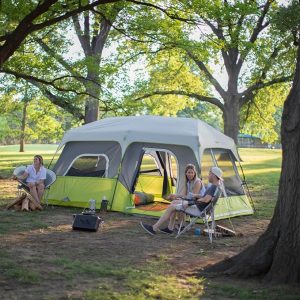
Its standout advantage is the combination of instant pop-up technology, a 14-by-9-foot interior, and a 78-inch center height. These features make it worth considering for families and groups who want a shelter that is relatively quick to assemble and comfortable to move around in. The ability to fit two queen-size air beds also provides useful flexibility for campers who prefer raised bedding.
Weather-related features add to its appeal. The 1200mm fabric rating, taped rainfly, sealed seams, and adjustable ventilation are all relevant considerations for recreational camping. Interior storage pockets, guylines, and steel stakes further support an organized campsite setup.
For this 9 Best Tents for Camping – Top Picks for Comfort, Weather Protection & Outdoor Adventures guide, the CORE tent stands out as a spacious, convenience-focused option for family holidays, group outings, and car camping. Its weight and large footprint make it less suitable for long-distance backpacking, but for campers who prioritize interior space and fast setup, it is a strong option to compare with the other tents in this list.
3. Coleman 4-Person Dark Room Camping Tent with Screen Room
The Coleman 4-Person Dark Room Camping Tent with Screen Room is designed for campers who want a comfortable outdoor shelter with added shade, practical living space, and protection from changing weather conditions. Combining Coleman’s Dark Room Technology with a separate screened area, this tent offers a versatile setup for families, couples, and small groups planning weekend getaways or extended stays at established campsites.
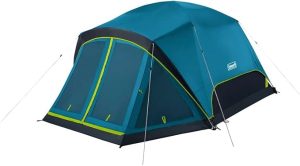
Imagine waking up at a campsite as sunlight spreads across the surrounding trees, birds begin to sing, and the rest of your camping group slowly stirs. Instead of having bright morning sunlight immediately flood your sleeping area, you can enjoy a darker interior designed to block much of the incoming light. When you’re ready to start the day, the additional screened room offers a convenient place to relax, store equipment, or enjoy the fresh air while keeping many flying insects outside.
One of the tent’s most distinctive features is its Dark Room Technology, which is designed to block up to 90% of sunlight. This can help create a darker sleeping environment and reduce heat inside the tent for additional comfort. Its quick setup system is another advantage, with preattached poles designed to make assembly possible in approximately five minutes. Color-coded components also help simplify rainfly orientation during setup.
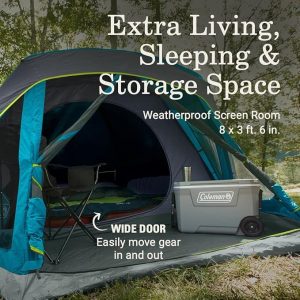
The tent accommodates up to four people and measures 126 inches wide by 96 inches long, with a maximum listed height of 55.2 inches. It also includes an 8-by-3.5-foot weatherproof screen room that can serve as additional storage, a lounging area, or an extra sleeping space for one person, according to the supplied product details. This extra area adds flexibility for campers who want more than a conventional sleeping shelter.
Weather protection is another important part of the design. The tent features Coleman’s WeatherTec system, a tub-like floor, welded corners, inverted seams, and taped seams on the rainfly and tent body. Its waterproof fabric is listed with a 3,000mm waterhead rating in the product description, while the supplied specifications separately state a 1500mm water-resistance rating. The frame has also been tested to withstand winds of up to 35 mph, according to the manufacturer-provided details.
With its darker sleeping area, screened extension, relatively quick setup, and weather-oriented construction, this Coleman tent is a compelling option for campers who value comfort and versatility. Its 15.9-pound weight makes portability worth considering, particularly for hikers who intend to carry their shelter over longer distances.
Key Specifications
-
Brand: Coleman
-
Product Dimensions: 96″L × 126″W × 55.2″H
-
Item Weight: 15.9 pounds
-
Floor Width: 126 inches
-
Recommended Uses: Camping and hiking
-
Shape: Rectangular
-
Occupancy: 4 people
-
Season Rating: 3-season
-
Material: 100% polyester
-
Included Components: Tent and carry bag
-
Water Resistance Technology: Listed as 1500mm in the supplied specifications
-
Waterproof Fabric Rating: 3,000mm waterhead, as stated in the product description
-
Dark Room Technology: Designed to block up to 90% of sunlight
-
Setup Time: Approximately 5 minutes
-
Screen Room Dimensions: 8 × 3.5 feet
-
Additional Sleeping Space: Screen room can convert into an area for one additional person, according to the product description
-
Weather Protection: WeatherTec system, tub-like floor, welded corners, inverted seams, and taped seams
-
Wind Resistance: Frame tested to withstand winds up to 35 mph, according to the supplied details
-
Additional Design Features: Nearly vertical walls, wide door, preattached poles, and color-coded setup components
Key Features
Dark Room Technology for Better Sleep
One of the biggest selling points of this Coleman tent is its Dark Room Technology, which is designed to block up to 90% of sunlight from entering the tent.
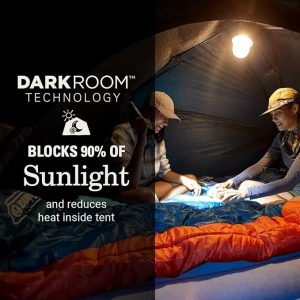
For campers who enjoy sleeping a little longer in the morning, this feature can make a meaningful difference. Bright sunlight can quickly illuminate a tent at sunrise, making it difficult to remain comfortable when you want to rest. By limiting incoming light, the darker interior creates an environment better suited to sleeping beyond the first rays of morning sunshine.
The technology is also designed to reduce heat inside the tent for additional comfort. However, the amount of cooling and light reduction experienced will depend on factors such as outdoor temperature, direct sunlight, and ventilation.
Quick Setup with Preattached Poles
Setting up a tent can be one of the more frustrating parts of a camping trip, particularly when daylight is fading or the weather is changing. Coleman addresses this with a quick setup system featuring preattached poles, allowing the tent to be assembled in approximately five minutes.
The design reduces the need to assemble a frame from separate poles before attaching the tent body. Additionally, the front-left corner of the tent and rainfly, along with the brow pole sleeve, use red color coding to help campers orient the rainfly correctly.
This feature is particularly useful for families, beginner campers, and anyone who wants to spend less time preparing the campsite. Campers should still allow time to secure the tent and install its weather-protection components properly.
Additional Screen Room for Relaxation and Storage
The included 8-by-3.5-foot weatherproof screen room adds a useful extension to the main sleeping area.
Rather than using the main tent for everything, campers can take advantage of this additional space for relaxing, organizing outdoor equipment, or keeping selected belongings separate from the sleeping area. The product description also states that the screen room can be converted into additional sleeping space for one person.
This flexibility can be valuable on family camping trips, where bags, shoes, and other supplies can quickly take up space inside the main tent.
The screen room is also designed to allow campers to enjoy the surrounding environment while keeping many bugs away. Its suitability for sleeping will depend on the specific configuration and the available weather protection, so campers should follow the manufacturer’s instructions.
WeatherTec System for Rain Protection
Coleman’s WeatherTec system is designed to help protect the tent’s interior against moisture. The listed construction includes a tub-like floor, welded corners, and inverted seams, while taped seams on the rainfly and tent body help reduce opportunities for water to enter.
The product description also identifies waterproof fabric rated at 3,000mm waterhead. The supplied specifications list 1500mm separately, so buyers should confirm the exact water-resistance rating for their specific model before purchasing.
These protective elements are intended to help the tent cope with wet conditions when it is pitched correctly. Nevertheless, actual performance depends on setup, site drainage, weather exposure, and the condition of the fabric and seams.
Frame Tested for Winds up to 35 mph
The tent’s frame is described as having been tested to withstand winds of up to 35 mph. This provides useful information for campers evaluating the tent’s construction and intended outdoor use.
A stable frame and properly secured tent can help reduce movement in breezy conditions. However, a stated test figure should not be interpreted as a guarantee of safety during every wind event. Gusts, wind direction, ground conditions, and campsite exposure can all affect stability.
For safety, campers should follow the manufacturer’s anchoring instructions and avoid using the tent during severe weather or conditions that exceed its intended limits.
Nearly Vertical Walls for More Headroom
The tent features nearly vertical walls that are designed to provide 20% more headroom than traditional Coleman tents, according to the product description.
This design can help make the interior feel less cramped and provide additional usable space around the sleeping area. It may also make everyday activities such as changing clothes or organizing belongings more convenient.
The listed maximum height is 55.2 inches, so this is not a full standing-height tent. The additional headroom is a relative improvement over the referenced traditional tent designs rather than an indication that adults can stand upright throughout the interior.
Wide Door for Easier Access
The wide door is another practical feature, particularly when campers need to move bulky items in and out of the shelter.
Airbeds, sleeping bags, backpacks, and other camping equipment can be awkward to maneuver through a narrow entrance. A wider doorway helps simplify the process and can make entering and leaving the tent more convenient.
This is especially useful when sharing the tent with several people, as it can reduce the difficulty of moving gear during setup and pack-down.
Rectangular Design and Portable Carry Bag
The rectangular floor layout provides a straightforward arrangement for organizing sleeping equipment and personal belongings. Its dimensions of 126 inches wide by 96 inches long offer a defined sleeping area for up to four people, although the available space per person will depend on bedding and equipment.
The included carry bag also provides a way to store and transport the tent between trips. At 15.9 pounds, it is lighter than many large family camping tents, but hikers should still assess whether its packed weight and dimensions suit their route.
Comfort & Outdoor Design
The Coleman 4-Person Dark Room Tent is designed to combine sleeping comfort with flexible outdoor living space. Its darker interior can be useful for campers who are sensitive to early-morning sunlight, while the screened extension offers a separate area for relaxing or organizing equipment.
The nearly vertical walls are intended to improve usable headroom, and the wide door makes it easier to move sleeping gear into and out of the tent. Together, these features make the design appealing for families and small groups who want a shelter that supports more than simply sleeping overnight.
The screen room is particularly valuable when camping with several people. By moving some equipment into the additional area, campers may be able to keep the main sleeping space less cluttered.
However, the maximum height of 55.2 inches means the tent is still relatively low compared with tall cabin-style tents. It is better suited to sitting, crouching, and moving around the sleeping area than to standing upright.
Weather Protection & Performance
Weather protection is an important consideration when camping, and this Coleman model includes several features designed to help manage rain and wind.
-
WeatherTec system: Designed to help protect the interior against moisture.
-
Tub-like floor: Helps limit water entry around the base when the tent is properly pitched.
-
Welded corners: Provide additional protection at vulnerable floor junctions.
-
Inverted and taped seams: Help reduce potential water entry through stitched areas.
-
Waterhead rating: The product description states 3,000mm waterproof fabric, while the supplied specifications list 1500mm; verify the exact model rating.
-
Wind-tested frame: Reportedly tested for winds up to 35 mph, although this is not a guarantee of safe operation in all windy conditions.
-
Screen room: Provides additional sheltered utility, but its weather protection should not be assumed to match that of the enclosed sleeping area.
These features make the tent worth considering for ordinary three-season camping, provided it is used within its design limits. For wet-weather trips, choose a well-drained campsite, secure the tent correctly, and ensure the rainfly is fitted according to the manufacturer’s instructions.
The Dark Room Technology is designed to reduce incoming sunlight and heat, but it should not replace appropriate ventilation. Keeping airflow paths clear can help manage heat and condensation.
Best Uses
The Coleman 4-Person Dark Room Camping Tent with Screen Room is particularly suited to:
-
Family camping: Provides a dedicated sleeping area with additional space for equipment and relaxation.
-
Couples’ getaways: Offers room for two people who want extra space for their belongings.
-
Weekend camping trips: The quick setup system can reduce preparation time.
-
Summer camping: Dark Room Technology helps limit incoming sunlight, while ventilation supports airflow.
-
Longer campsite stays: The screened extension provides useful additional space for lounging or storage.
-
Bug-conscious camping: The screen room offers a place to enjoy the outdoors while keeping many insects away.
-
Three-season adventures: Suitable for appropriate spring, summer, and fall camping conditions.
-
Campers who value convenient access: The wide door makes it easier to move bulky sleeping equipment.
Pros & Cons
Pros
-
Dark Room Technology designed to block up to 90% of sunlight.
-
Designed to reduce heat inside the tent.
-
Quick setup in approximately five minutes using preattached poles.
-
Screen room provides additional space for storage, lounging, or one extra sleeper.
-
WeatherTec system with a tub-like floor and welded corners.
-
Taped seams on the rainfly and tent body.
-
Nearly vertical walls designed to provide 20% more headroom than traditional Coleman tents.
-
Wide door for easier movement of camping equipment.
-
Frame tested for winds up to 35 mph, according to the supplied description.
-
Carry bag included.
-
15.9-pound weight is worth considering for campers who need a more portable alternative to large family tents.
Cons
-
The 55.2-inch maximum height does not allow most adults to stand upright.
-
The 15.9-pound weight may be cumbersome for long-distance backpacking.
Why We Selected It
The Coleman 4-Person Dark Room Camping Tent with Screen Room earns its place in this roundup because it combines a useful collection of comfort and convenience features in a shelter designed for recreational camping.
Its most distinctive advantage is Dark Room Technology, which is designed to block up to 90% of sunlight and reduce heat inside the tent. This makes it an appealing option for campers who want a darker sleeping environment. The approximately five-minute setup system also helps reduce the effort involved in preparing a campsite.
The additional screen room gives this model another advantage over a conventional tent. It can provide space for storing equipment, relaxing away from insects, or accommodating an additional sleeper in the configuration described by the manufacturer. Meanwhile, the WeatherTec system, taped seams, welded corners, and wind-tested frame add useful considerations for campers evaluating weather protection.
For this 9 Best Tents for Camping – Top Picks for Comfort, Weather Protection & Outdoor Adventures guide, the Coleman Dark Room model stands out as a versatile choice for small families, couples, and campers who want a darker sleeping space with an additional sheltered area. Before purchasing, verify the precise model’s water-resistance rating, interior dimensions, and setup requirements to ensure it matches your camping needs.
Also read : 5 Best Camping Tent for Hunting
4. Kelty Grand Mesa 2-Person Backpacking Tent
The Kelty Grand Mesa 2-Person Backpacking Tent is a lightweight outdoor shelter designed for hikers, backpackers, and camping enthusiasts who want dependable protection without carrying unnecessarily heavy equipment. With its freestanding dome design, aluminum pole structure, compact packed size, and three-season construction, this tent is built for adventures where portability, straightforward setup, and efficient use of space matter most.
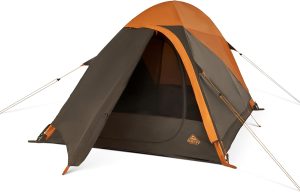
Imagine spending an entire day hiking along winding forest trails, crossing rocky paths, and exploring beautiful backcountry landscapes. As evening approaches, you reach a quiet campsite, unpack your gear, and set up a comfortable shelter beneath the fading light. Rather than struggling with a complicated tent assembly, you can use the Kelty Grand Mesa’s color-coded clips, pole attachments, and Quick Corners system to simplify the pitching process. Once your campsite is ready, you have a dedicated space to rest, organize your sleeping gear, and prepare for the next day’s adventure.
One of this tent’s biggest advantages is its lightweight construction. The supplied specifications list a packed weight of approximately 4 pounds 7 ounces, making it a practical option for backpackers who need to balance shelter and comfort against the weight of their packs. Its freestanding aluminum pole design also allows campers to pitch the tent and reposition it to find a suitable campsite before securing it.
The Grand Mesa is designed to accommodate two people and provides approximately 30 square feet of interior space. Although the sleeping area is relatively compact, its rectangular floor layout makes it suitable for backpacking trips where efficient space management is important. The included rainfly and EZ-Zip vestibule also provide a place to store selected equipment outside the main sleeping area, helping keep the interior less cluttered.
Weather protection is another important aspect of the design. The tent uses durable 68D polyester fabric, fully seam-taped construction, compact aluminum pressfit poles, and a rainfly to help protect campers from changing three-season conditions. Its stated waterproof coating specification is 3300HH, as provided in the product details.
With its combination of lightweight portability, freestanding construction, convenient setup features, and weather-resistant materials, the Kelty Grand Mesa 2-Person Backpacking Tent is worth considering for weekend backpacking trips, hiking adventures, and backcountry camping. It is especially relevant to outdoor enthusiasts who value practical shelter and packability over the extra room offered by larger family tents.
Key Specifications
-
Brand: Kelty
-
Product Dimensions: 84″L × 45″W × 43″H, according to the supplied specifications
-
Floor Dimensions: 85 × 57 inches, according to the product description
-
Item Weight: 4.8 pounds, according to the supplied specifications
-
Packed Weight: 4 pounds 7 ounces
-
Packed Dimensions: 16 × 7 × 7 inches
-
Interior Floor Area: 30 square feet
-
Peak Height: 44 inches, according to the product description
-
Recommended Uses: Backpacking
-
Shape: Dome
-
Occupancy: 2 people
-
Season Rating: 3-season
-
Material: 68D polyester
-
Pole Material: Aluminum
-
Water Resistance Technology: 3300HH waterproof-coated tent and rainfly, as listed in the supplied details
-
Construction: Fully seam-taped
-
Included Components: Aluminum poles, Kelty Grand Mesa tent inner, rainfly, Shark Mouth stuff sack, and stakes
-
Setup Features: Kelty Quick Corners, color-coded clips, and color-coded rainfly attachments
-
Additional Storage: EZ-Zip vestibule
-
Carry Bag: Shark Mouth stuff sack
Note: The supplied dimensions differ between the general specifications and the detailed product description. Check the exact Amazon listing for the confirmed floor dimensions and peak height before purchasing.
Key Features
Lightweight Construction for Backpacking
One of the Kelty Grand Mesa’s most appealing characteristics is its relatively low packed weight. At approximately 4 pounds 7 ounces, it is designed for outdoor enthusiasts who need a shelter that can be carried along hiking trails without adding the bulk of a larger camping tent.
Weight becomes especially important during multi-day backpacking trips, when campers must carry sleeping bags, food, water, clothing, and other equipment. A compact tent can help make it easier to organize a backpack and manage the total load.
Although it is lightweight compared with many larger camping shelters, backpackers should consider the complete carrying weight, including any accessories they choose to bring. The tent’s packed dimensions of 16 × 7 × 7 inches also provide a useful reference when planning how to fit it into a backpack.
Freestanding Aluminum Pole Design
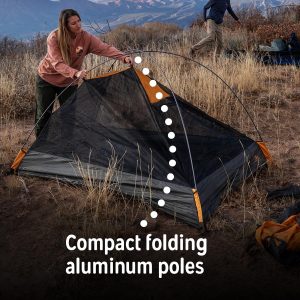
The tent features a freestanding aluminum pole structure that allows it to stand without depending entirely on stakes for its initial shape.
This is particularly useful when choosing a campsite because you can pitch the tent and reposition it before deciding on the final location. For example, you may want to move it slightly to find flatter ground, improve the arrangement of your sleeping equipment, or avoid an inconvenient patch of terrain.
The aluminum poles provide the supporting frame, while the tent’s dome shape creates a compact shelter suitable for backpacking. The tent should still be properly staked and secured according to the manufacturer’s instructions, particularly when weather conditions require additional stability.
Quick Corners and Color-Coded Setup
After a long day on the trail, a straightforward setup process can make camping much more enjoyable. Kelty incorporates Quick Corners, color-coded clips, and color-coded fly attachments to help simplify assembly.
The Quick Corners are designed to help keep the poles in position while pitching the tent. Meanwhile, the color-coded components make it easier to identify where the clips and rainfly attachments belong.
These details can be particularly helpful for beginner backpackers or campers arriving at their destination when daylight is fading. Although setup will still require following the instructions, the design aims to make pitching less frustrating and more manageable.
30 Square Feet of Interior Space
The Kelty Grand Mesa is designed for two occupants and offers approximately 30 square feet of interior space.
This compact sleeping area is intended to balance practical accommodation with the need to keep the tent portable. Two campers can use the interior for sleeping equipment and essential personal belongings, although the available room may feel limited when bulky backpacks and additional gear are stored inside.
For a more organized arrangement, campers can keep selected equipment in the vestibule rather than placing everything beside their sleeping bags. This helps preserve the available interior space for resting.
The two-person capacity is most appropriate for backpackers who prioritize a manageable packed size over a spacious interior.
Rainfly and Fully Seam-Taped Construction
Weather protection is essential when camping away from established facilities. The Grand Mesa includes a rainfly and fully seam-taped construction, designed to help limit moisture entering through seams and exposed areas.
The tent uses 68D polyester for its floor and rainfly fabrics, providing a durable material choice for regular outdoor use. The supplied product details also list a 3300HH waterproof coating specification.
These features are intended to help protect the sleeping area from changing weather conditions during three-season trips. However, the supplied rating notation should be verified against the manufacturer’s exact specifications, and weather protection will depend on correct pitching, site selection, and the conditions encountered.
Campers should not assume that the tent is suitable for every storm or extreme-weather situation simply because it includes a rainfly and seam-taped construction.
EZ-Zip Vestibule for Protected Storage
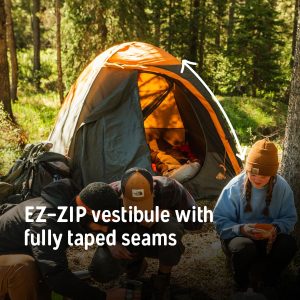
The Grand Mesa includes an EZ-Zip vestibule, providing additional storage space outside the main sleeping area.
A vestibule is especially useful when backpacking because it allows campers to keep selected gear outside the sleeping compartment. Items such as footwear and certain pieces of outdoor equipment can be organized in this area, helping reduce clutter inside the tent.
Keeping the interior less crowded can make it easier for two people to arrange their sleeping bags and move around when settling in for the night.
The vestibule also adds practical functionality without requiring campers to choose a substantially larger tent. Its precise usable dimensions are not included in the supplied specifications, so buyers should consult the listing if vestibule space is a major priority.
Three-Season Construction for Trail Adventures
The Kelty Grand Mesa is rated for three-season use, making it intended for suitable spring, summer, and fall camping conditions.
Its compact aluminum pressfit poles create the supporting frame, while the polyester floor, rainfly, and seam-taped construction are designed to provide shelter during ordinary outdoor trips.
This makes the tent relevant to backpackers who explore different environments throughout the warmer camping seasons. However, a three-season classification does not automatically make a tent suitable for heavy snowfall, severe storms, or extreme cold.
Campers should match their equipment to the forecast, expected temperatures, and terrain. A suitable sleeping bag and insulated sleeping pad are also important for maintaining comfort during cooler nights.
Shark Mouth Stuff Sack for Easier Packing
Packing up camp is an important part of backpacking, especially when the next day’s journey involves several miles of walking. Kelty includes a Shark Mouth stuff sack designed to make packing the tent more manageable.
A practical carry sack helps keep the tent components together and makes it easier to prepare the shelter for transportation between campsites.
This is useful for hikers who need to organize their equipment efficiently before continuing along the trail. As with any packed tent, ensuring that the fabric is appropriately dried before long-term storage can help maintain its condition.
Comfort & Outdoor Design
The Kelty Grand Mesa prioritizes efficient shelter and portability rather than spacious living accommodation. Its dome shape and freestanding frame create a compact structure, while the two-person sleeping capacity makes it suitable for backpacking partners or campers who prefer a dedicated sleeping area.
The approximately 30-square-foot interior provides room for sleeping equipment, while the vestibule offers a separate place for selected gear. This arrangement can be particularly useful when two people share the shelter and want to keep their sleeping space organized.
Its listed peak height of approximately 44 inches means the tent is not designed for standing upright. Instead, it is intended for sleeping, sitting, and organizing essential items while at camp.
The compact packed dimensions are another advantage for hikers. Rather than carrying a large family shelter, backpackers can pack a relatively small tent alongside the other equipment needed for their trip.
Weather Protection & Performance
The Grand Mesa’s weather-protection features are designed for recreational three-season backpacking. Its rainfly, seam-taped construction, polyester fabrics, and supporting aluminum poles work together to provide shelter during suitable outdoor conditions.
Key weather-related features include:
-
Rainfly: Adds an additional protective layer over the tent body.
-
Waterproof-coated construction: The supplied product details list a 3300HH waterproof coating specification, which should be confirmed against the exact model documentation.
-
Fully seam-taped construction: Helps reduce moisture entry through stitched areas.
-
68D polyester fabrics: Used for the tent floor and rainfly.
-
Aluminum pole structure: Provides the tent’s supporting frame.
-
Three-season classification: Indicates intended use in suitable spring, summer, and fall conditions.
For the best results, choose a campsite with good drainage, pitch the tent correctly, and secure it with the included stakes. Avoid low-lying areas where rainwater may accumulate and exposed locations when severe weather is expected.
The tent’s specifications do not establish a specific wind-resistance rating, so it should not be assumed to offer protection under extreme wind conditions.
Best Uses
The Kelty Grand Mesa 2-Person Backpacking Tent is particularly suited to:
-
Backpacking: Its relatively lightweight construction helps make it practical for trips where equipment must be carried.
-
Hiking adventures: Its compact packed dimensions can be useful when organizing a hiking pack.
-
Weekend camping: Offers a dedicated sleeping shelter for short outdoor getaways.
-
Backcountry trips: The freestanding design and compact structure suit campers seeking a portable shelter.
-
Couples’ camping: Provides a two-person sleeping arrangement for outdoor partners.
-
Three-season adventures: Designed for suitable spring, summer, and fall conditions.
-
Minimalist camping: Appeals to campers who prioritize essential shelter over extra interior space.
-
Organized campsite setups: The vestibule offers additional space for selected equipment outside the sleeping area.
Pros & Cons
Pros
-
Relatively lightweight packed weight of 4 pounds 7 ounces.
-
Designed specifically with backpacking in mind.
-
Freestanding aluminum pole structure.
-
Compact packed dimensions of 16 × 7 × 7 inches.
-
Approximately 30 square feet of interior space.
-
Quick Corners help keep poles in place during setup.
-
Color-coded clips and rainfly attachments simplify assembly.
-
Rainfly and fully seam-taped construction.
-
Durable 68D polyester floor and rainfly fabrics.
-
EZ-Zip vestibule provides additional gear storage.
-
Shark Mouth stuff sack included.
-
Three-season design suits many recreational backpacking trips.
Cons
-
The interior may feel cramped for two campers with bulky equipment.
-
The 44-inch peak height does not allow standing upright.
Why We Selected It
The Kelty Grand Mesa 2-Person Backpacking Tent earns its place in this roundup because it focuses on the needs of hikers and backpackers who want a shelter that is relatively lightweight, compact, and straightforward to pitch.
Its standout advantages include the 4-pound-7-ounce packed weight, freestanding aluminum pole design, Quick Corners setup features, and compact 16 × 7 × 7-inch packed size. Together, these features make it a useful option to consider for campers who need to carry their shelter rather than transport it exclusively by vehicle.
The rainfly, fully seam-taped construction, polyester fabrics, and EZ-Zip vestibule add practical benefits for outdoor trips. Meanwhile, the two-person capacity provides a sleeping space for backpacking partners without the bulk of a larger family tent.
For this 9 Best Tents for Camping – Top Picks for Comfort, Weather Protection & Outdoor Adventures guide, the Kelty Grand Mesa stands out as a backpacking-focused choice for hikers, couples, and minimalist campers. It may not offer the roominess of a cabin tent, but its emphasis on portability, practical setup, and compact storage makes it a worthwhile option for adventures where every pound in your pack matters.
5. Naturehike Cloud Up Pro 2-Person Backpacking Tent
For campers who want to travel light without sacrificing essential weather protection, the Naturehike Cloud Up Pro 2-Person Backpacking Tent is a compelling option. Designed for backpacking, camping, hiking, cycling, and bikepacking, this ultralight tent combines a compact packed size with a durable, double-layer construction. Its lightweight design makes it easier to carry on long trails, while its waterproof materials and sturdy aluminum poles are intended to provide dependable shelter when outdoor conditions become unpredictable.
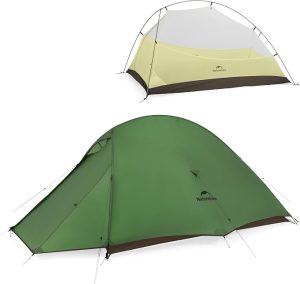
One of the most appealing features of the Cloud Up Pro is its upgraded design. Compared with the original Cloud Up two-person tent, this version adds a ventilation window above the front door to encourage better airflow and help reduce condensation. It also features a larger, higher front door, making it easier to enter and exit the tent and providing more convenient access when arranging camping gear.
Weather protection is another major attraction. The tent uses 20D nylon with a silicone coating and a stated waterproof rating of 4,000 mm or higher. Taped corners and seams help prevent water from entering, while the double-layer construction creates space between the inner tent and rainfly for ventilation. Naturehike also includes a footprint, tent poles, stakes, wind ropes, and a carrying bag, giving campers a useful collection of accessories without requiring a separate footprint purchase.
Although its two-person capacity is practical for couples or camping partners, the Cloud Up Pro is particularly appealing to backpackers who value portability. With a listed weight of approximately 4 pounds and a compact packed size, it offers a balance of lightweight convenience, weather protection, and essential comfort for three-season adventures.
Key Specifications
-
Brand: Naturehike
-
Tent Model: Cloud Up Pro
-
Occupancy: 2 people
-
Season Rating: 3-season
-
Product Dimensions: 82.7″L × 51.2″W × 41.3″H
-
Dimensions Listed in Product Description: 82.7″L × 49.2″W × 41.3″H
-
Item Weight: Approximately 4 pounds
-
Weight Listed in Product Description: 3.97 pounds
-
Packed Dimensions: 15.7″ × 5.1″ × 5.1″
-
Material: 20D nylon with silicone coating
-
Waterproof Rating: PU4000 mm or higher, according to the product description
-
Frame Material: 7001 aluminum alloy
-
Construction: Double-layer design with a mesh inner tent and rainfly
-
Special Features: Quick setup, rainproof construction, wind resistance, ventilation window, front vestibule, and included footprint
-
Recommended Uses: Backpacking, camping, hiking, cycling, and bikepacking
Note: The supplied specifications give two different floor widths: 51.2 inches in the main specifications and 49.2 inches in the product description. The product description also lists the weight as 3.97 pounds, which is consistent with the rounded four-pound specification.
Key Features
1. Lightweight Design for Backpacking
The Naturehike Cloud Up Pro is designed for campers who need to manage the weight and volume of their equipment. At approximately 3.97 pounds, it is relatively easy to carry on hiking trails, overnight backpacking trips, and cycling adventures where packing space matters.
Its packed dimensions of 15.7 × 5.1 × 5.1 inches allow it to fit into a backpack alongside other essentials, such as clothing, food, cooking equipment, and sleeping gear. This compact profile can be particularly useful for hikers who want to avoid carrying a bulky traditional camping tent.
The lightweight nylon construction also helps reduce overall carrying weight without eliminating the features expected from a dedicated outdoor shelter.
2. Waterproof 20D Nylon Construction
Rain protection is a central feature of the Cloud Up Pro. Its 20D nylon fabric uses a silicone coating, while the product description specifies a PU4000 mm waterproof rating or higher.
This rating indicates a fabric designed to resist substantial water pressure, making it suitable for wet-weather camping when the tent is properly pitched and maintained. The taped corners and seams provide additional protection at areas where water could otherwise find its way inside.
For campers exploring destinations where rain can arrive unexpectedly, these details can offer valuable reassurance. However, waterproof ratings alone cannot guarantee that a tent will remain dry in every storm. Proper pitching, secure rainfly placement, suitable campsite selection, and regular inspection of seams are still important.
3. Improved Ventilation to Reduce Condensation
Condensation can make camping uncomfortable, particularly when temperatures drop overnight or several people sleep inside a small tent. Naturehike addresses this concern with a ventilation window positioned above the front door.
This addition is intended to improve airflow and help moisture escape from the interior. The high-density B3 mesh inner tent also supports ventilation while creating a barrier between occupants and insects.
The double-layer design leaves space between the inner tent and the rainfly, encouraging airflow around the sleeping area. Although ventilation cannot eliminate condensation in every environment, these features may help make overnight stays more comfortable.
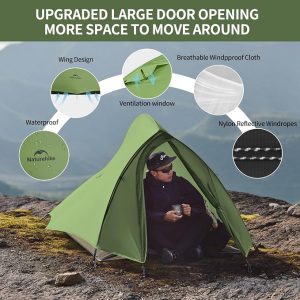
4. Larger Front Door for Easier Access
The Cloud Up Pro’s upgraded front door is designed to be larger and higher than the door on the original Cloud Up model. This improvement makes entering and exiting the tent more convenient, particularly when carrying a backpack or moving camping equipment.
A more accessible entrance can also make the interior feel less restrictive during everyday use. For two campers sharing a compact shelter, convenient access matters when getting ready in the morning, settling in at night, or retrieving equipment during bad weather.
5. Double-Layer Construction with a Separate Rainfly
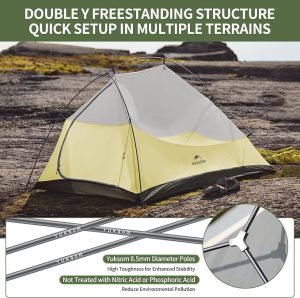
The tent uses a double-layer design consisting of an inner tent and an outer rainfly. This construction provides an additional barrier against rain while creating a space that supports airflow between the two layers.
The inner tent features high-density B3 mesh, which helps promote ventilation. The rainfly protects the sleeping area from the elements and, according to the supplied product description, can also be used separately as a sun shelter.
This flexibility makes the tent useful for different outdoor situations, from overnight hikes to relaxed campsite stays. When using the rainfly independently, campers should follow the manufacturer’s setup instructions and ensure the shelter is properly secured.
6. Sturdy 7001 Aluminum Alloy Poles
A lightweight tent needs a frame that can support its structure without adding excessive weight. The Cloud Up Pro uses 7001 aluminum alloy poles, which are designed to provide a practical balance of strength and portability.
The poles help hold the tent in shape and support the rainfly and inner structure when properly assembled. Combined with the included stakes and five wind ropes, they allow campers to secure the shelter against ordinary outdoor conditions.
Naturehike describes the tent as windproof, but actual performance depends on wind speed, ground conditions, anchoring, and correct setup. In severe weather, campers should follow local safety guidance and seek more substantial shelter when necessary.
7. Included Footprint and Camping Accessories
Another advantage of the Naturehike Cloud Up Pro is its included footprint. A footprint provides a protective layer beneath the tent floor, helping reduce direct contact with rough ground, dirt, and moisture.
The listed package includes:
-
One carrying bag
-
One inner tent
-
One tent fly
-
One set of tent poles with a storage bag
-
Five wind ropes
-
One strap
-
One footprint
-
Fourteen stakes
Having these accessories included can simplify preparation and reduce the need to purchase certain components separately. The footprint is especially useful for backpackers who want to protect their tent floor during repeated trips.
Comfort and Interior Space
Practical Sleeping Space for Two
With a listed length of 82.7 inches and a floor width of either 49.2 or 51.2 inches depending on the specification provided, the Cloud Up Pro is designed to accommodate two campers. Its 41.3-inch height offers room to sit up comfortably for many users, although it is not intended to provide the standing room available in cabin-style tents.
As with most lightweight two-person backpacking tents, the interior is best suited to sleeping and storing essential overnight items. Two campers carrying bulky equipment may find the space more limited, so organizing gear carefully is worthwhile.
A Vestibule for Gear Storage
The front vestibule provides an area for keeping outdoor equipment outside the main sleeping compartment. This can help preserve interior space for sleeping bags, sleeping pads, and personal belongings.
The vestibule is particularly useful during rainy weather, when muddy footwear or wet backpacks may be inconvenient to bring inside. Although the product description also mentions using the front area for cooking in bad weather, campers should never use a stove or open flame inside the tent or enclosed vestibule because of fire and carbon monoxide risks. Cook outdoors in a well-ventilated, designated safe area.
Best Uses
The Naturehike Cloud Up Pro is best suited to:
-
Backpacking: Its lightweight construction and compact packed dimensions make it convenient for multi-day hiking trips.
-
Camping and hiking: The two-person capacity provides a practical sleeping shelter for overnight outdoor adventures.
-
Cycling and bikepacking: Its compact packed size helps save space when carrying equipment on a bicycle.
-
Couples’ camping: Two people can share the tent when they are comfortable with a compact sleeping area.
-
Three-season adventures: The double-layer construction and waterproof rainfly make it suitable for many spring, summer, and autumn trips, depending on local conditions.
Pros and Cons
Pros
-
Lightweight design at approximately 3.97 pounds.
-
Compact packed dimensions that are convenient for backpacking.
-
20D nylon fabric with silicone coating and a stated 4,000 mm-plus waterproof rating.
-
Taped seams and corners for additional water protection.
-
Double-layer construction with a breathable mesh inner tent.
-
Additional ventilation window intended to reduce condensation.
-
Larger, higher front door for easier access.
-
7001 aluminum alloy poles.
-
Footprint, stakes, wind ropes, and carrying bag included.
-
Suitable for hiking, camping, cycling, and bikepacking.
Cons
-
The low profile does not provide standing room.
-
Two-person occupancy may feel cramped when both campers have substantial gear.
Why We Selected It
The Naturehike Cloud Up Pro 2-Person Backpacking Tent earns its place on this list because it focuses on the priorities of campers who travel with their equipment: low weight, compact storage, useful weather protection, and practical ventilation.
Its upgraded front door and added ventilation window are meaningful improvements for everyday camping comfort, while the double-layer design and waterproof nylon construction offer useful protection for three-season trips. The inclusion of a footprint and other essential accessories also makes the package more convenient for campers preparing for their next outdoor adventure.
It is not the roomiest choice for two people, nor is it intended to replace a large family or cabin tent. Instead, it is a practical option for hikers, cyclists, and backpackers who prefer a compact shelter that is easier to carry between campsites.
For outdoor enthusiasts who value portability without giving up essential shelter features, the Naturehike Cloud Up Pro is a strong candidate to consider.
6. ALPS Mountaineering Lynx 2-Person Tent – Clay/Rust
For campers seeking a dependable shelter for overnight adventures, the ALPS Mountaineering Lynx 2-Person Tent is an option worth considering. Featuring a classic dome shape, a lightweight aluminum frame, and polyester construction, this three-season tent is designed for outdoor enthusiasts who need a practical shelter for camping and mountaineering trips. Its compact design and two-person capacity make it suitable for couples, hiking partners, and solo campers who appreciate extra sleeping space.
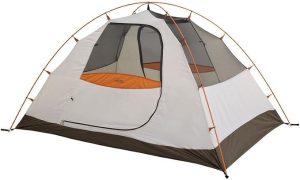
One of the tent’s appealing characteristics is its balance between portability and usable floor space. With listed dimensions of 60 inches long, 90 inches wide, and 46 inches high, it provides a broad sleeping area relative to its low-profile structure. The 46-inch height offers room to sit up for many users, while the dome shape creates a familiar, straightforward shelter design for outdoor use.
The Lynx 2 is constructed from aluminum and polyester, combining a supporting frame with fabric intended for camping use. Its listed water-resistance rating is 1,500 millimeters, making it important for buyers to consider the expected weather conditions when choosing this tent. While three-season tents are generally intended for use across spring, summer, and autumn, performance during heavy or prolonged rainfall depends on the complete tent construction, setup, and campsite conditions.
Finished in the distinctive Clay/Rust color combination, the ALPS Mountaineering Lynx 2 offers a straightforward design for campers who value a recognizable outdoor-tent shape and a manageable carrying weight. At 5.9 pounds, it is relatively portable for short camping trips, although backpackers who prioritize ultralight equipment may prefer a lighter alternative.
Key Specifications
-
Brand: ALPS Mountaineering
-
Model: Lynx 2
-
Color: Clay/Rust
-
Occupancy: 2 people
-
Season Rating: Three-season
-
Shape: Dome
-
Product Dimensions: 60″L × 90″W × 46″H
-
Floor Width: 90 inches
-
Item Weight: 5.9 pounds
-
Materials: Aluminum and polyester
-
Water Resistance Rating: 1,500 mm
-
Recommended Use: Mountaineering
-
Included Components: Tent
Note: The supplied product details identify the tent’s materials, dimensions, weight, and water-resistance rating but do not provide further information about its setup mechanism, vestibule configuration, pole arrangement, or included accessories beyond the tent itself.
Key Features
1. Classic Dome-Shaped Design
The ALPS Mountaineering Lynx 2 features a dome structure that gives it a familiar profile for outdoor camping. Dome tents are popular because their curved construction can provide a practical balance between interior space, structural support, and portability.
For campers who need a shelter that does not occupy the space of a large cabin tent, this shape offers a relatively compact option. Its design is suited to trips where sleeping space and basic weather protection are more important than standing room or a large living area.
The dome configuration also makes the tent a reasonable choice for outdoor enthusiasts who prefer a conventional tent design rather than a complicated shelter system.
2. Two-Person Sleeping Capacity
Designed for two occupants, the Lynx 2 can accommodate a pair of campers sharing a shelter on an overnight trip. Its listed floor width of 90 inches suggests a broad sleeping area, although the supplied specifications do not clarify the precise orientation of all three dimensions.
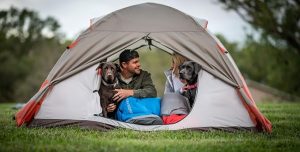
The space can be useful for couples or hiking partners who want to share equipment and reduce the number of tents they need to carry. Solo campers may also appreciate having extra room for sleeping gear and personal belongings.
As with other two-person tents, comfort will depend on the size of the occupants, the sleeping pads used, and how much equipment is brought inside. Buyers planning to store bulky backpacks indoors should check the manufacturer’s detailed floor plan before purchasing.
3. Aluminum Frame Construction
The tent’s listed materials include aluminum, which is commonly used in tent frames because it offers a useful combination of strength and relatively low weight.
A suitable frame helps support the tent’s shape and maintain its structure when assembled correctly. For camping trips that involve carrying equipment over a distance, aluminum construction can be beneficial because it avoids the weight of some heavier framing materials.
However, the available product information does not specify the exact pole design, pole diameter, or tested wind rating of this particular model. Campers should therefore follow the manufacturer’s pitching instructions and secure the tent appropriately for the conditions.
4. Polyester Tent Material
Polyester is another key component of the Lynx 2’s construction. It is commonly used in outdoor tents because it is relatively lightweight and can be practical for repeated camping use.
For campers who travel between campsites or store their equipment between trips, a polyester shelter can offer a useful balance of portability and everyday practicality. Nevertheless, the supplied details do not identify the precise polyester fabric denier, coating, or seam-sealing arrangement.
These details matter when comparing tents intended for particularly wet environments, so buyers who frequently camp in heavy rain should confirm the complete weather-protection specifications before making a decision.
5. Three-Season Versatility
The Lynx 2 is listed as a three-season tent, making it a candidate for camping during spring, summer, and autumn. This category generally covers a broad range of ordinary camping conditions without implying that the tent is suitable for severe winter weather.
Its dome shape and portable construction make it worth considering for weekend camping, hiking trips, and outdoor excursions where a compact sleeping shelter is required.
However, a three-season designation alone does not establish that a tent can withstand severe storms, snow loading, or extreme mountain conditions. Campers planning mountaineering trips should assess the expected weather and confirm that the tent’s specific performance characteristics match the environment.
6. Water Resistance Rated at 1,500 mm
The ALPS Mountaineering Lynx 2 has a listed water-resistance rating of 1,500 millimeters. This measurement generally refers to a fabric’s hydrostatic head rating, which indicates the water pressure the material can withstand under a standardized test.
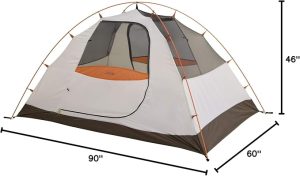
The rating provides a useful point of comparison when evaluating camping tents. However, the water resistance of the fabric does not tell the entire story: seams, zippers, floor construction, rainfly coverage, and pitching conditions can also affect how well a tent protects its occupants.
Because the supplied details do not explain which tent components carry the 1,500 mm rating, campers expecting frequent or heavy rain should verify the full waterproofing specifications before relying on this tent in challenging weather.
7. Manageable Weight for Outdoor Trips
Weighing 5.9 pounds, the Lynx 2 offers a relatively manageable load for many short camping trips. Its weight may be suitable for car camping, campsite-to-campsite travel, and some backpacking outings where carrying comfort and equipment requirements allow for it.
For solo backpackers, the weight may feel more noticeable because the entire tent must be carried by one person. Two campers can potentially divide shared equipment between their packs, depending on the tent’s packing configuration and the accessories supplied.
Although it is not the lightest tent in this roundup, it may appeal to campers who prioritize a conventional two-person shelter over the lowest possible packed weight.
Comfort and Interior Space
A Low-Profile Shelter for Sleeping
With a listed height of 46 inches, the Lynx 2 is designed primarily as a sleeping shelter rather than a space for standing or moving around upright. The height may provide enough room for many campers to sit up, change layers, or organize small personal items.
Its stated 90-inch floor width is notable, although buyers should verify the full interior layout because the supplied dimensions do not clearly establish the floor’s length and width orientation. Checking the official floor plan is especially worthwhile for two adults who plan to use wide sleeping pads.
Practical for Minimalist Camping
The Lynx 2 is best approached as a place to sleep and take shelter rather than a tent with a large indoor living area. Campers can keep essential equipment organized around their sleeping arrangements, but the available product information does not confirm whether the tent includes a vestibule or dedicated external gear-storage area.
For a more comfortable experience, keep wet footwear and muddy equipment out of the sleeping area whenever possible, and use a groundsheet only in a way that does not collect rainwater beneath the tent.
Best Uses
The ALPS Mountaineering Lynx 2 is worth considering for:
-
Weekend camping: A two-person shelter for overnight trips and short outdoor breaks.
-
Hiking trips: A dome-shaped tent for campers who need a dedicated sleeping shelter.
-
Couples’ camping: A shared tent for two people who are comfortable with a compact, low-profile interior.
-
Solo camping: Extra sleeping and storage space for individuals who do not mind carrying the 5.9-pound tent.
-
Three-season outdoor adventures: Trips in suitable spring, summer, and autumn conditions, subject to local weather and the tent’s verified capabilities.
For technical mountaineering or trips where severe weather is expected, confirm the manufacturer’s guidance on wind performance, snow use, and waterproofing before relying on this model.
Pros and Cons
Pros
-
Two-person capacity suitable for couples and camping partners.
-
Classic dome shape for a conventional outdoor shelter.
-
Aluminum and polyester construction.
-
Three-season designation for a range of ordinary camping conditions.
-
Listed water-resistance rating of 1,500 mm.
-
Manageable 5.9-pound weight for many short camping trips.
-
46-inch listed height provides some room to sit up.
-
Distinctive Clay/Rust color combination.
Cons
-
Heavier than many ultralight backpacking tents.
-
The 1,500 mm water-resistance rating may be a limitation for campers seeking stronger documented rain protection.
Why We Selected It
The ALPS Mountaineering Lynx 2-Person Tent earns consideration in this camping roundup for its traditional dome design, two-person capacity, aluminum and polyester construction, and three-season classification. Its 5.9-pound weight makes it a possible option for campers who want a portable shelter without necessarily choosing an ultralight model.
Its strongest appeal is straightforward practicality: it offers a conventional tent design for overnight trips, hiking, and general outdoor use. The Clay/Rust finish adds a distinctive look, while the listed 1,500 mm water-resistance rating gives shoppers a concrete specification to compare with other tents.
The main consideration is weather protection. Since the supplied information does not establish the full waterproofing system or tested wind performance, this tent should not automatically be treated as suitable for severe mountain weather simply because mountaineering is listed as a recommended use.
Overall, the Lynx 2 is worth comparing with other two-person, three-season tents, especially for campers who value a familiar dome design and a manageable weight. Before purchasing, verify the exact dimensions, included accessories, and weather-performance details to ensure the tent meets your intended camping needs.
Also read : 5 Best Camping Tent for Hunting
7. CAMPROS CP 8-Person Camping Tent – Spacious Family Shelter with Room Divider
When camping with family or a larger group, having enough room to sleep comfortably, change clothes, and organize gear can make the difference between a stressful trip and an enjoyable outdoor adventure. The CAMPROS CP 8-Person Camping Tent is designed with these needs in mind, offering a spacious rectangular layout, a generous center height, and a room divider that helps create separate living and sleeping areas.
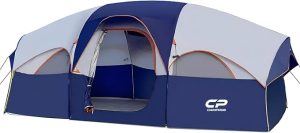
Measuring 168 inches long, 108 inches wide, and 72 inches high, this tent provides a substantial interior footprint for group camping. Its straight-wall design helps make the available space more practical, allowing campers to stand up to change clothes and move around more comfortably than they could in many low-profile dome tents. With a listed capacity of eight people, it is suited to family outings, group adventures, and camping trips where interior space is a priority.
The CAMPROS CP also emphasizes convenient setup and weather protection. According to the product description, two people can assemble the tent in approximately five minutes, with color-coded poles helping simplify the process. Its polyester construction features a high-tech coating, sealed seams, and waterproof strips intended to help keep rain from entering the shelter.
Ventilation is another useful feature. A mesh tent top and mesh doors encourage airflow while offering outdoor views, helping the tent feel less enclosed during warm-weather trips. The included room divider adds flexibility by separating the interior into two sections, and it can also serve as a projector screen for outdoor movie nights.
For campers who value space, practical organization, and group-friendly features, the CAMPROS CP is an appealing option to consider for three-season camping and hiking adventures.
Key Specifications
-
Brand: CAMPROS CP
-
Tent Type: Family and group camping tent
-
Occupancy: 8 people
-
Season Rating: 3-season
-
Shape: Rectangular
-
Product Dimensions: 168″L × 108″W × 72″H
-
Floor Width: 108 inches
-
Item Weight: 8 kg (approximately 17.6 pounds)
-
Material: Polyester
-
Water Resistance: Waterproof construction, according to the supplied product description
-
Setup Time: Approximately 5 minutes with two people, as stated by the manufacturer
-
Interior Design: Straight-wall construction with a 72-inch center height
-
Ventilation: Mesh tent top and mesh doors
-
Included Components: Carry bag, room divider, and stakes
-
Recommended Uses: Camping and hiking
-
Special Features: Spacious interior, color-coded poles, room divider, mesh ventilation, sealed seams, and waterproof strips
Key Features
1. Spacious Interior for Up to Eight Campers
One of the biggest attractions of the CAMPROS CP is its generous interior. With a listed footprint of 168 × 108 inches, the tent is designed to accommodate up to eight people, making it worth considering for family vacations, group outings, and shared camping trips.
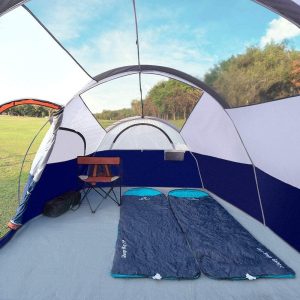
The extra space can be useful for arranging sleeping bags, sleeping pads, and smaller personal belongings. Families can also benefit from having room to organize children’s gear without making the sleeping area feel unnecessarily cluttered.
However, the advertised eight-person capacity represents a maximum occupancy rather than a guarantee of spacious comfort for every group. Eight adults with full-size sleeping pads and luggage may find the interior crowded. For a more comfortable experience, smaller groups or families with children may appreciate the additional room per person.
2. Straight Walls and a 72-Inch Center Height
The tent’s straight-wall design is intended to make better use of the interior footprint. Instead of having walls that slope sharply inward, the structure provides more usable space around the sides.
Its 72-inch center height is particularly helpful for campers who want to stand up while changing clothes or move around without constantly crouching. This can make everyday tasks, such as getting dressed in the morning or organizing camping equipment, more comfortable.
For families spending several days at a campsite, this added headroom can make the tent feel more like a temporary living space rather than simply somewhere to sleep.
3. Two-Room Layout with a Removable Divider
The included room divider is one of the CAMPROS CP’s most practical features. It allows campers to separate the tent into two sections, offering a degree of privacy and organization for different members of a group.
For example, parents and children can have separate sleeping areas, or friends sharing the tent can divide the space according to their needs. The divider can also help organize sleeping arrangements and keep different sets of belongings in separate areas.
An especially fun bonus is that the divider can double as a projector screen. This opens the door to outdoor movie nights, giving families and friends another way to enjoy time together after a day of hiking or exploring.
The divider provides visual separation rather than soundproofing or a fully enclosed room, so campers should keep that distinction in mind when planning sleeping arrangements.
4. Weather Protection with Sealed Seams
Outdoor weather can change quickly, and a tent needs to provide reliable protection when rain arrives. The CAMPROS CP uses polyester fabric with a high-tech coating, sealed seams, and waterproof strips intended to help reduce water penetration.
Sealed seams are particularly useful because stitching can create small openings through which water may enter. Waterproof strips help cover vulnerable areas and support the tent’s overall weather-resistant construction.
These features make the tent a candidate for ordinary three-season camping, where showers and changing weather may be expected. Nevertheless, the product details provided do not include a specific hydrostatic-head rating, so its waterproof performance cannot be directly compared with tents that list a numerical rating.
For the best results, pitch the tent on suitable ground, secure it properly, and avoid low-lying areas where rainwater may collect.
5. Quick Setup with Color-Coded Poles
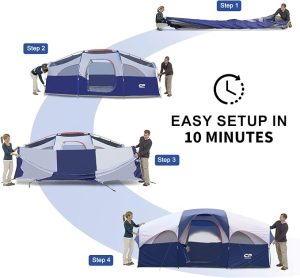
Setting up a large family tent can feel complicated, particularly when campers arrive at a campsite late in the day. The CAMPROS CP aims to simplify this process with color-coded poles and a setup process that the manufacturer says can be completed by two people in approximately five minutes.
Color coding helps users identify which poles belong in particular positions, reducing confusion during assembly. Having two people work together can also make it easier to lift and position the tent structure.
A quick setup is especially useful for families with children or groups that want to spend less time assembling equipment and more time enjoying the outdoors.
Actual setup time may vary depending on experience, ground conditions, weather, and whether the campers are pitching the tent for the first time.
6. Mesh Top and Doors for Better Ventilation
Ventilation can make a major difference in a large tent, especially when several people are sleeping inside. The CAMPROS CP features a mesh tent top and mesh doors that promote airflow and provide views of the surrounding environment.
Improved airflow can help reduce the stuffiness that sometimes develops in occupied tents, particularly during warm weather. The mesh sections also allow campers to enjoy a more open atmosphere while remaining sheltered from many flying insects when the mesh is properly closed.
The mesh top can make the tent feel bright and connected to the outdoors during suitable weather. Campers should ensure the rain protection is correctly positioned when rain is expected, following the manufacturer’s setup instructions.
7. Polyester Construction for Outdoor Use
The CAMPROS CP is made from polyester, a common tent material valued for its practical balance of weight, durability, and ease of care.
Its listed weight of 8 kg makes it more appropriate for family camping, established campsites, and trips where the tent can be transported in a vehicle than for long-distance ultralight backpacking. The carry bag helps keep the tent together during transport and storage.
After a trip, campers should allow the tent to dry fully before packing it away for an extended period. This simple habit helps prevent persistent moisture and mildew from damaging the fabric.
Comfort and Interior Space
Room for Sleeping and Moving Around
The CAMPROS CP’s rectangular floor plan and 72-inch center height make it especially appealing to campers who want more freedom of movement. Its layout can accommodate sleeping arrangements for a family or group, although the amount of personal space depends on the number and size of the occupants.
For eight people, careful planning is important. Compact sleeping pads and organized luggage can help maximize the available floor area, while groups of fewer people can enjoy more room to spread out.
Privacy and Organization for Families
The room divider adds flexibility by creating two distinct sections within the tent. This can help families organize sleeping arrangements and give different occupants their own areas.
The divider is also useful when children and adults have different schedules or when campers want to keep sleeping equipment separate from bags and clothing. While it does not provide complete privacy, it makes the interior more versatile than a single open room.
Ventilation for Warm-Weather Camping
The mesh top and doors encourage airflow, helping the tent feel more comfortable during warm-weather camping. This is valuable when several occupants share the same space, since body heat and moisture can build up overnight.
Campers should still take local temperatures, humidity, and expected rainfall into account when choosing a campsite and arranging ventilation.
Best Uses
The CAMPROS CP 8-Person Camping Tent is best suited to:
-
Family camping: A spacious shelter with a room divider for organizing parents, children, and personal belongings.
-
Group camping: A shared tent for friends or larger groups who want to sleep in one shelter.
-
Car camping: Its 8 kg weight and roomy structure make it more practical when equipment can be transported by vehicle.
-
Weekend outdoor trips: A useful option for campers who want a relatively quick setup and generous interior space.
-
Three-season camping: Suitable for many spring, summer, and autumn outings, depending on local weather conditions.
-
Outdoor movie nights: The room divider can double as a projector screen for group entertainment.
Pros and Cons
Pros
-
Spacious rectangular layout designed for up to eight occupants.
-
72-inch center height provides useful headroom.
-
Straight-wall design helps make the interior more practical.
-
Room divider creates two separate sections.
-
Divider can also serve as a projector screen.
-
Color-coded poles help simplify setup.
-
Manufacturer-stated setup time of approximately five minutes with two people.
-
Mesh top and doors support airflow and outdoor views.
-
Polyester construction with sealed seams and waterproof strips.
-
Carry bag, room divider, and stakes included.
Cons
-
The advertised eight-person capacity may feel crowded for eight adults with full-size sleeping gear.
-
At 8 kg, it is less suitable for long-distance backpacking than lightweight trekking tents.
Why We Selected It
The CAMPROS CP 8-Person Camping Tent stands out for campers who prioritize interior space and group-friendly features. Its rectangular layout, straight walls, and 72-inch center height provide a practical environment for sleeping, changing clothes, and organizing camping equipment.
The room divider adds versatility, allowing families and friends to create separate sections, while its ability to serve as a projector screen introduces an entertaining bonus for campsite movie nights. Color-coded poles and the manufacturer’s stated quick setup process are also attractive features for campers who want to minimize assembly time.
Its polyester construction, sealed seams, waterproof strips, and mesh ventilation make it worth considering for ordinary three-season outings. However, shoppers should remember that the product information provided does not include a numerical waterproof rating or a verified severe-weather performance rating.
Overall, the CAMPROS CP is a strong candidate for families and groups seeking a roomy, practical camping shelter. It is best suited to trips where comfort, organization, and shared space matter more than minimizing pack weight.
8. UNP 6-Person Camping Tent – Spacious Family Shelter with Mesh Ventilation
Planning a family camping trip or a weekend getaway with friends becomes much easier when everyone has enough room to sleep comfortably and move around without feeling cramped. The UNP 6-Person Camping Tent is designed for campers who want a spacious, practical shelter with generous headroom, multiple ventilation openings, and a straightforward setup process. Its roomy interior and family-friendly layout make it worth considering for camping, hiking trips, fishing excursions, and established campsites.
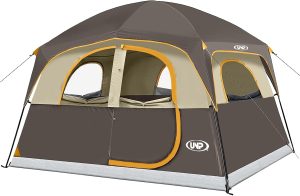
According to the product description, the tent measures approximately 10 feet long by 9 feet wide, with a center height of 78 inches. This provides around 90 square feet of floor space and enough headroom for many adults to stand up while changing clothes. The manufacturer indicates that the interior can accommodate two air mattresses or six sleeping bags, making it suitable for families and groups who want to share one shelter.
Ventilation is one of the UNP tent’s standout features. It includes one large mesh door, five mesh windows, and a mesh tent top, allowing fresh air to circulate while giving campers views of their surroundings. These features can help make the interior feel more comfortable, particularly when several people are sleeping inside during warmer weather.
The tent also emphasizes convenient assembly. The manufacturer states that two people can set it up in approximately five minutes, while one person can assemble it in around ten minutes. Its steel leg poles, rectangular roof structure, and included rainfly contribute to its practical camping design. The listed water-resistance specifications, however, vary between the supplied product details, so buyers should verify the exact waterproof rating before relying on it during prolonged or heavy rainfall.
For campers looking for a family-oriented shelter with generous headroom, extensive mesh ventilation, and a manageable carrying weight, the UNP 6-Person Camping Tent is a practical candidate for three-season-style camping and other suitable outdoor adventures.
Key Specifications
-
Brand: UNP
-
Occupancy: 6 people
-
Season Rating: Listed as 4-season in the supplied specifications
-
Shape: Square, according to the supplied specifications
-
Product Dimensions: 120″L × 108″W × 78″H
-
Floor Dimensions in Product Description: 10′ × 9′
-
Floor Area: Approximately 90 square feet
-
Center Height: 78 inches
-
Item Weight: 17.8 pounds
-
Weight Listed in Product Description: Approximately 18 pounds
-
Packed Dimensions: 24.6″ × 8.26″ × 8.26″
-
Material and Structure: Waterproof-coated fabric with steel leg poles
-
Water Resistance: 1,500 mm in the supplied specifications; the product description also mentions a 1,000 mm polyurethane coating
-
Ventilation: One large mesh door, five mesh windows, and a mesh tent top
-
Included Components: Rainfly
-
Setup Time: Approximately 5 minutes for two people or 10 minutes for one person, according to the manufacturer
-
Recommended Uses: Camping, hiking, family car camping, and fishing
-
Additional Benefit: Manufacturer-stated one-year quality assurance
Specification note: The supplied information contains two waterproof ratings: 1,500 mm in the main specifications and 1,000 mm in the product description. It also labels the tent as four-season, but the description emphasizes general outdoor camping rather than specific winter-weather performance. These details should be verified before purchase, especially if you intend to camp in severe weather.
Key Features
1. Spacious Interior for Six Campers
One of the main attractions of the UNP camping tent is its approximately 90-square-foot interior. With a listed floor size of 10 × 9 feet, it provides space for family members or friends to share a shelter during overnight trips.
The manufacturer states that the tent can accommodate two air mattresses or six sleeping bags. This flexibility allows campers to choose between a more comfortable mattress-based arrangement and a sleeping-bag layout that makes use of the available floor space.
For families with children, the roomy interior can also provide space for organizing clothing, sleeping equipment, and smaller personal belongings. However, six-person capacity should be understood as a maximum occupancy rather than a guarantee of spacious comfort for six adults with luggage. Smaller groups may find it easier to spread out and keep their equipment organized.
2. Generous 78-Inch Center Height
The UNP tent features a listed center height of 78 inches, or 6 feet 6 inches. This is a useful advantage for campers who dislike spending extended periods crouching inside their shelter.
The extra headroom makes everyday activities such as changing clothes, getting dressed in the morning, and organizing camping supplies more convenient. Taller occupants may also appreciate being able to stand upright near the center of the tent.
This feature is particularly valuable during family camping trips, when the tent may be used for more than sleeping. Although the roof height does not mean every part of the interior offers the same clearance, the generous center height helps create a more comfortable environment.
3. Five Mesh Windows and a Large Mesh Door
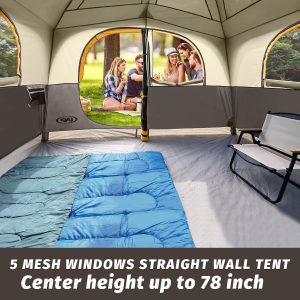
Ventilation is a major consideration when several people share a tent. The UNP model addresses this with one large mesh door, five mesh windows, and a mesh tent top.
These openings encourage air circulation and can help reduce the stuffy feeling that sometimes develops in crowded shelters. The mesh also offers views of the surrounding campsite, allowing occupants to enjoy the outdoor environment without leaving the tent completely open.
The multiple ventilation points can be particularly helpful during warm-weather camping, when airflow can improve comfort throughout the day and night.
However, mesh openings alone do not guarantee protection from wind-driven rain or cold conditions. Campers should use the rainfly as directed and adjust the openings according to the weather.
4. Quick and Convenient Setup
The manufacturer states that two people can set up the UNP tent in approximately five minutes, while one person can complete the process in around ten minutes.
A relatively straightforward assembly process can be valuable when arriving at a campsite late in the day or setting up with children. It also reduces the time spent arranging equipment before a hike, fishing trip, or family weekend begins.
Although the stated setup times are appealing, actual assembly may take longer for first-time users or in windy conditions. Practicing at home before a trip is a sensible way to become familiar with the tent’s poles, rainfly, and anchoring points.
5. Steel Leg Poles and Rectangular Roof Structure
The product description identifies four steel leg poles and a rectangular roof structure as part of the tent’s construction. Steel poles can provide useful structural support, while the roof design helps create the tent’s tall interior.
For campsite use, this type of structure can offer a practical balance between usable space and a relatively simple tent layout.
The product description also describes the tent as stable and windproof. However, no specific wind-speed test rating is provided in the supplied details. Its actual performance will depend on correct assembly, secure anchoring, ground conditions, and the severity of the weather.
For exposed campsites or strong winds, campers should follow the manufacturer’s instructions and avoid relying on general marketing descriptions as a guarantee of storm resistance.
6. Water-Resistant Fabric and Included Rainfly
The UNP tent is described as having a waterproof polyurethane coating, and a rainfly is listed among the included components. Together, these features are intended to help protect the interior from rain and changing outdoor conditions.
The supplied specifications list a 1,500 mm water-resistance rating, while the product description refers to a 1,000 mm polyurethane coating. Because these figures conflict, it is important to confirm the rating for the exact model before purchase.
Water resistance also depends on more than the fabric rating. Rainfly coverage, seam construction, floor protection, and correct pitching can all affect whether the interior remains dry.
For ordinary camping in changeable weather, the included rainfly is a useful component. For prolonged rainfall, exposed locations, or challenging conditions, check the manufacturer’s full weather-protection guidance and pitch the tent carefully.
7. Portable Design for Family Car Camping
The UNP tent weighs approximately 17.8–18 pounds and packs into a carrying bag measuring 24.6 × 8.26 × 8.26 inches, according to the product description.
This makes it more suitable for family car camping and established campsites than for long-distance backpacking, where every pound matters. The packed size is manageable for many vehicle-based trips, and the carry bag helps keep the tent together between outings.
For families who travel by car, the weight may be a reasonable trade-off for the extra headroom and ventilation. Hikers who need to carry all their equipment over long distances may prefer a lighter, smaller tent.
8. One-Year Quality Assurance
The product description states that UNP offers one-year quality assurance and aims to respond to customer questions within 12 hours.
This may offer additional reassurance for buyers who want access to assistance if they encounter an issue with their tent. However, the exact coverage, exclusions, and support terms should be checked with the seller before purchase, since a stated assurance period does not necessarily mean every problem is covered.
Comfort and Interior Space
Room for Sleeping Bags or Air Mattresses
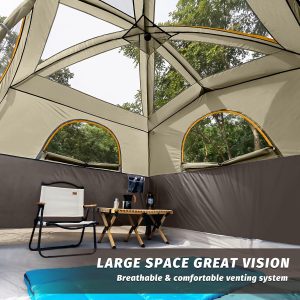
The approximately 90-square-foot floor area gives campers flexibility when arranging their sleeping equipment. Six sleeping bags may fit in a compact layout, while two air mattresses can offer a more relaxed arrangement for smaller groups.
Families should plan their layout before arriving at the campsite, especially if they need space for bags, shoes, and other supplies. Using compact equipment and keeping belongings organized can make a significant difference to comfort.
Standing Room for Everyday Activities
The 78-inch center height is a useful feature for campers who want to change clothes or move around more naturally. Compared with lower-profile backpacking tents, the UNP offers a more room-like interior.
This added headroom can be especially helpful during longer campsite stays, when the shelter becomes a place to organize equipment and take breaks from the outdoors.
Ventilation for Warmer Nights
The large mesh door, five windows, and mesh top are designed to encourage airflow. This can help make sleeping more comfortable when the tent is occupied by several people.
Still, temperature, humidity, and weather conditions affect how well a tent ventilates. Campers should also keep wet clothing and damp equipment organized to help prevent excess moisture from accumulating inside.
Best Uses
The UNP 6-Person Camping Tent is best suited to:
-
Family car camping: A roomy shelter with substantial headroom for parents and children.
-
Group camping: A shared sleeping space for friends or small groups.
-
Weekend camping trips: A practical option for established campsites where the tent can be transported by vehicle.
-
Fishing trips: A shelter for campers who need room to organize personal gear at a campsite.
-
Warm-weather outdoor adventures: The mesh door, windows, and top support ventilation in suitable conditions.
-
Longer campsite stays: The tall center height makes changing clothes and organizing supplies more convenient.
Although the product is labeled four-season, buyers planning winter camping or exposed mountain trips should first confirm its suitability for snow loading, severe winds, and sustained low temperatures. The available specifications do not establish that it is a specialized winter or mountaineering tent.
Pros and Cons
Pros
-
Approximately 90 square feet of floor space.
-
Designed to accommodate up to six people.
-
Generous 78-inch center height for standing and changing clothes.
-
One large mesh door, five mesh windows, and a mesh tent top.
-
Manufacturer-stated setup time of approximately five minutes for two people.
-
Steel leg poles and a rectangular roof structure.
-
Rainfly included.
-
Packed carrying bag for transport and storage.
-
Suitable for family car camping and general campsite use.
-
Manufacturer-stated one-year quality assurance.
Cons
-
At approximately 18 pounds, it is relatively heavy for backpacking.
-
The maximum six-person capacity may feel crowded for six adults with luggage.
Why We Selected It
The UNP 6-Person Camping Tent stands out for campers who prioritize headroom, ventilation, and practical family-friendly space. Its approximately 90-square-foot interior and 78-inch center height make it more comfortable for changing clothes and moving around than many compact backpacking tents.
Its five mesh windows, large mesh door, and mesh roof are particularly appealing for warm-weather trips, while the included rainfly adds an important layer of weather protection. The manufacturer’s stated quick setup process and one-year quality assurance also make it worth considering for campers seeking convenience.
Its main limitations are weight and uncertainty around the exact waterproof rating. At roughly 18 pounds, it is best suited to vehicle-based camping rather than long-distance trekking. Buyers should also verify the four-season designation and weather-performance details before using it in severe conditions.
Overall, the UNP is a practical candidate for families and small groups who want a tall, ventilated shelter for campsite adventures. If interior comfort, airflow, and straightforward setup matter more to you than ultralight portability, this tent deserves a place on your shortlist.
9. Marmot 1-Person Backpacking Tent – Lightweight Shelter for Solo Adventures
For solo adventurers, choosing the right tent often comes down to finding the ideal balance between portability, sleeping comfort, and dependable weather protection. The Marmot 1-Person Backpacking Tent is designed for outdoor enthusiasts who prefer traveling independently and need a compact shelter for hiking and three-season backpacking trips. With a roomier sleeping-area design, insect-resistant mesh, and waterproof fly and floor, it focuses on the essentials needed for comfortable nights outdoors.
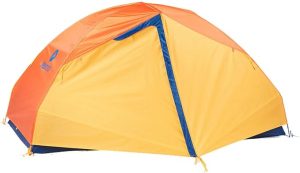
One of its key features is its zone construction, which is designed to create a more spacious sleeping area without unnecessarily increasing the tent’s overall footprint. This can be particularly valuable for solo backpackers who want enough room to sleep comfortably and organize a few essential belongings while keeping their equipment compact.
The tent also incorporates a canopy made from 68D polyester taffeta, alongside no-see-um mesh designed to maintain airflow while keeping small insects out. Its waterproof rainfly and floor provide an additional layer of protection against wet conditions, while color-coded clips, poles, and rainfly components help simplify setup after a long day on the trail.
Portability is another important consideration for solo campers. The supplied specifications list packed dimensions of 23 × 7 × 7 inches, giving the tent a relatively compact cylindrical profile for storage and transport. However, the stated weight of 0.2 kg appears unusually low for a complete tent, so buyers should verify the actual packaged weight before purchasing.
For hikers who value independent travel, practical ventilation, and a compact sleeping shelter, the Marmot tent is worth considering as a candidate for three-season backpacking adventures.
Key Specifications
-
Brand: Marmot
-
Occupancy: 1 person
-
Season Rating: 3-season
-
Shape: Rectangular
-
Product Dimensions: 23″L × 7″W × 7″H, as supplied
-
Floor Width: 66.1 inches
-
Item Weight: 0.2 kg, as supplied
-
Recommended Use: Backpacking
-
Canopy Material: 68D polyester taffeta
-
Water Resistance Rating: 1,800 mm, as supplied
-
Included Components: Mudguard, according to the supplied specifications
-
Ventilation: No-see-um mesh
-
Weather Protection: Waterproof rainfly and floor, according to the product description
-
Setup Features: Color-coded clips, poles, and rainfly
-
Special Features: Zone construction, roomier sleeping area, insect protection, and quick setup
Specification note: The listed dimensions of 23 × 7 × 7 inches appear more consistent with packed dimensions than with the measurements of an assembled tent. The supplied weight of 0.2 kg also seems unusually low for a complete shelter. Because the exact model name and full product specifications were not provided, these details should be verified before purchase. The 1,800 mm rating should also be checked against the manufacturer’s official specifications.
Key Features
1. Solo-Friendly Design for Backpacking
The Marmot tent is designed for backpackers who prefer to travel alone and need a dedicated sleeping shelter without carrying a large family tent. A one-person tent can help reduce unnecessary bulk and simplify campsite setup, especially when moving between locations over several days.
Solo camping offers freedom to choose your own route and pace, but it also means carrying your shelter, sleeping equipment, food, and other essentials independently. A compact tent can therefore be a valuable part of a well-organized backpacking setup.
This model’s backpacking-oriented design makes it worth considering for hikers who want a shelter focused on individual sleeping comfort rather than extra space for multiple occupants.
2. Zone Construction for a Roomier Sleeping Area
One of the tent’s notable design features is its zone construction, which is intended to create a more spacious sleeping area.
For solo backpackers, interior layout can be just as important as overall tent size. A well-planned sleeping area can make it easier to stretch out, position a sleeping pad, and keep essential items close at hand without making the shelter unnecessarily bulky.
This design approach may appeal to campers who want to balance comfort and portability. However, the supplied details do not include a complete assembled floor plan, so buyers should consult the manufacturer’s measurements to determine the exact usable interior space.
3. 68D Polyester Taffeta Canopy
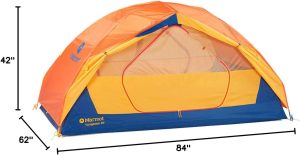
The supplied product information identifies 68D polyester taffeta as the canopy material. Polyester fabrics are commonly used in camping equipment because they can provide a practical balance of durability, weight, and ease of care.
For backpacking, the canopy needs to withstand repeated packing, unpacking, and exposure to outdoor conditions. Proper care remains important: allowing the fabric to dry before long-term storage and avoiding unnecessary abrasion can help preserve its condition.
The fabric designation alone does not establish the tent’s complete durability or waterproof performance. Coatings, seam construction, and the design of the rainfly and floor also affect how the shelter performs outdoors.
4. Waterproof Rainfly and Floor
The product description highlights a waterproof rainfly and floor intended to help keep rain and ground moisture away from the sleeping area.
The rainfly serves as an outer protective layer, while the floor helps separate the occupant and sleeping equipment from the ground. Together, these components are important for maintaining a dry and comfortable interior during ordinary camping conditions.
The supplied specifications state a water-resistance rating of 1,800 mm. This measurement generally refers to hydrostatic head, a test of how much water pressure a fabric can withstand before water passes through it.
However, the rating alone does not guarantee that the entire tent will remain dry during every storm. Seam sealing, rainfly coverage, correct pitching, and campsite drainage also matter. Backpackers should verify the exact waterproof rating and construction details before relying on this tent for particularly wet trips.
5. No-See-Um Mesh for Insect Protection
Insects can quickly make an otherwise beautiful campsite uncomfortable. The Marmot tent uses no-see-um mesh designed to allow airflow while keeping small insects out.
This mesh is particularly useful in areas where tiny biting insects are common. It helps create a more comfortable sleeping environment while allowing air to circulate through the shelter.
Good ventilation can also help reduce the stuffiness that sometimes develops inside a tent overnight. Nevertheless, airflow and condensation management depend on the full tent design and environmental conditions, so keeping ventilation openings unobstructed remains important.
6. Color-Coded Components for Easier Setup
Setting up a tent after hours on the trail can be tiring, particularly when daylight is fading. The Marmot model uses color-coded clips, poles, and rainfly components to help make assembly more intuitive.
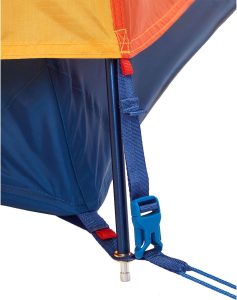
Color coding can reduce confusion by helping campers identify which parts connect and where they belong. This is particularly helpful for solo backpackers, who may need to pitch the tent without assistance.
A straightforward setup process can also make it easier to dismantle the shelter and move on the following morning. As with any tent, practicing assembly before the trip is a good way to become familiar with the components and avoid unnecessary delays at the campsite.
7. Compact Packed Profile
The supplied dimensions of 23 × 7 × 7 inches suggest a compact packed form suitable for storage alongside other backpacking equipment.
A cylindrical packed profile can be convenient when organizing a backpack, particularly if the tent can be positioned vertically or secured externally. The actual packing arrangement will depend on the tent’s bag design and the size of the backpack.
The listed weight of 0.2 kg, however, should not be relied upon without verification. A complete one-person tent typically includes several components, such as fabric, poles, stakes, and a carrying bag. The supplied figure may refer to a component or contain a listing error rather than represent the complete packed tent.
Comfort and Interior Space
A Dedicated Sleeping Area for One Person
The tent’s zone construction is designed to make the sleeping area feel roomier. For solo campers, that can mean a more comfortable place to stretch out after a long hike and organize essential overnight belongings.
The supplied floor-width measurement is 66.1 inches, but the full assembled floor dimensions are not available in the provided details. Buyers should confirm the actual layout and usable sleeping length before choosing a sleeping pad or purchasing the tent.
Ventilation Without Unwanted Insects
No-see-um mesh provides a practical balance between airflow and insect protection. This can be particularly valuable during warm-weather backpacking, when leaving mesh ventilation areas open may make the sleeping environment more comfortable.
Ventilation is also useful for managing moisture generated by breathing and damp equipment. However, condensation can still occur when temperatures, humidity, and airflow conditions are unfavorable.
Weather Protection for Three-Season Trips
The tent is listed as a three-season model, making it a candidate for many spring, summer, and autumn backpacking trips.
Its rainfly, floor, and mesh construction address several everyday camping needs, but the supplied details do not establish a tested wind rating or suitability for severe weather. Campers should select their shelter according to the conditions they expect to encounter rather than relying on the season label alone.
Best Uses
The Marmot 1-Person Backpacking Tent is worth considering for:
-
Solo backpacking: A dedicated shelter for hikers who travel independently.
-
Multi-day hiking: A compact-style tent design for trips that involve moving between campsites.
-
Three-season camping: Outdoor adventures in suitable spring, summer, and autumn conditions.
-
Insect-prone campsites: No-see-um mesh helps keep small insects outside while supporting airflow.
-
Minimalist outdoor travel: A one-person layout for campers who do not need a large shared shelter.
Before choosing it for exposed mountain routes or prolonged rainfall, verify the actual packed weight, assembled dimensions, waterproof rating, and wind-performance specifications.
Pros and Cons
Pros
-
Designed for solo backpacking and independent outdoor adventures.
-
Zone construction intended to provide a roomier sleeping area.
-
68D polyester taffeta canopy material.
-
Waterproof rainfly and floor, according to the product description.
-
No-see-um mesh supports airflow while helping keep small insects out.
-
Color-coded clips, poles, and rainfly components simplify setup.
-
Three-season classification suits a range of ordinary camping trips.
-
Compact packed dimensions are listed in the supplied specifications.
Cons
-
The listed weight of 0.2 kg appears unusually low for a complete tent and needs verification.
-
The supplied dimensions may describe the packed tent rather than its assembled size.
Why We Selected It
The Marmot 1-Person Backpacking Tent is included as a potential option for solo campers who value a thoughtfully designed sleeping area, insect protection, and practical weather-resistant features. Its zone construction is intended to make the interior more comfortable, while the no-see-um mesh supports airflow and helps keep small insects outside.
The waterproof rainfly and floor, polyester taffeta canopy, and color-coded setup components are also useful features for backpackers who need a shelter that is relatively straightforward to pitch after a long day outdoors.
However, the product information supplied for this model contains important uncertainties, particularly the unusually low listed weight, the apparent packed dimensions, and the exact model identification. These details should be confirmed before the tent is compared directly with other backpacking shelters or recommended on the basis of ultralight performance.
Overall, it may be worth considering for solo backpacking, but verify the exact model and its official specifications before purchasing or publishing definitive claims about its weight and dimensions.
Also read : 5 Best Camping Tent for Hunting
Frequently Asked Questions (FAQs)
1. What is the best tent for camping?
The best tent depends on your group size, destination, weather conditions, and camping style. For family and group camping, the CORE 9-Person Instant Cabin Tent and CAMPROS CP 8-Person Camping Tent offer spacious interiors and useful features for shared trips. For backpackers who prioritize portability, the Kelty Grand Mesa 2-Person Tent and Naturehike Cloud Up Pro 2-Person Tent are options worth considering.
2. How do I choose the right tent size?
Consider how many people will sleep inside and how much room you need for sleeping bags, air mattresses, and personal belongings. A two-person tent may suit a couple or solo camper who wants extra space, while a six- or eight-person tent is more appropriate for families and groups. Remember that advertised capacity usually represents a close sleeping arrangement, so choosing a tent rated for one or two more people than your group can improve comfort.
3. What is the difference between a three-season and a four-season tent?
A three-season tent is generally designed for spring, summer, and autumn conditions, including moderate rain and ordinary outdoor temperatures. A four-season tent is designed for more demanding conditions, potentially including snow and stronger winds, depending on its construction. However, a four-season label alone does not guarantee suitability for severe storms or mountaineering. Always check the manufacturer’s specific weather-performance ratings.
4. What waterproof rating should I look for in a camping tent?
Waterproof ratings are commonly expressed in millimeters and indicate how much water pressure a fabric can withstand in a hydrostatic-head test. A higher rating generally indicates greater resistance to water pressure, but the number alone does not determine how dry the entire tent will remain.
Also consider sealed seams, rainfly coverage, floor construction, and the quality of the tent’s overall design. For example, the Naturehike Cloud Up Pro is listed with a 4,000 mm-plus rating, while some other tents in this roundup have lower or unspecified ratings. Verify the official specifications and remember that correct pitching is essential.
5. Are instant tents better than traditional camping tents?
Instant tents are designed to simplify setup, making them attractive to beginners, families, and campers who want to spend less time assembling equipment. Traditional tents may require more assembly but can offer advantages in packed size, weight, or suitability for backpacking. The best option depends on whether you prioritize setup convenience, portability, interior space, or specialized outdoor performance.
6. Which camping tent is best for backpacking?
Backpacking tents are generally designed to minimize weight and packed size while providing sufficient sleeping space and weather protection. The Kelty Grand Mesa 2-Person Tent and Naturehike Cloud Up Pro 2-Person Tent are options in this roundup aimed at backpacking and hiking.
When comparing them, examine the complete packed weight, pole construction, interior dimensions, waterproof rating, and included accessories. A tent that is comfortable to carry is particularly important on multi-day hikes.
7. How important is ventilation in a camping tent?
Ventilation is essential because breathing, perspiration, and damp equipment can introduce moisture into a tent. Without adequate airflow, condensation may collect on the inner fabric, making sleeping equipment feel damp.
Mesh doors, windows, and roof panels help improve airflow. Models such as the UNP 6-Person Tent and CAMPROS CP 8-Person Tent emphasize mesh ventilation. For the best results, use ventilation openings as conditions permit, keep wet gear organized, and avoid blocking airflow with luggage.
8. Can a six-person tent comfortably accommodate six adults?
It depends on the tent’s floor dimensions, sleeping arrangement, and the amount of equipment each person brings. Six adults may fit in a tent advertised for six people, but space can be limited once sleeping pads, bags, and personal belongings are added.
For a more comfortable trip, consider a larger tent or choose a six-person model for a smaller group. Straight walls and generous center height can improve usable space, but floor area remains an important consideration.
9. How can I keep my tent dry during rainy weather?
Follow these practical steps:
-
Pitch the tent on slightly elevated, well-drained ground.
-
Secure the tent and rainfly according to the manufacturer’s instructions.
-
Check seams, zippers, and the floor for damage before your trip.
-
Use a compatible footprint if recommended, ensuring it does not extend beyond the tent floor where it could collect water.
-
Keep ventilation open where conditions allow to help manage condensation.
-
Avoid touching the inner tent walls when they are wet.
-
Dry the tent thoroughly before storing it for long periods.
Even a tent advertised as waterproof can leak if it is incorrectly pitched, damaged, or exposed to conditions beyond its intended design.
10. How long does a camping tent typically last?
A camping tent can last several years or longer with proper care, although its lifespan depends on material quality, frequency of use, storage, and exposure to sunlight and harsh weather. Regularly inspect poles, zippers, seams, and waterproof coatings for signs of wear.
After each trip, remove dirt and debris, allow the tent to dry completely, and store it in a cool, dry place. Avoid leaving it exposed to direct sunlight for extended periods when it is not in use, as ultraviolet radiation can gradually weaken tent fabrics.
11. Are expensive camping tents always better?
Not necessarily. A more expensive tent may offer lower weight, better materials, more advanced weather protection, or specialized features, but those advantages may not be essential for every camper.
For occasional family car camping, interior space and convenient setup may matter more than ultralight materials. For backpacking, weight, packed dimensions, and weather resistance may justify spending more. Compare specifications against your intended use rather than choosing a tent based on price alone.
12. What should I check before buying a camping tent online?
Before purchasing, review the following:
-
Capacity and floor dimensions: Confirm that the tent accommodates your group and sleeping equipment.
-
Packed weight and size: Especially important for backpacking.
-
Weather protection: Check the waterproof rating, seam construction, rainfly, and wind-performance information.
-
Ventilation: Look for mesh doors, windows, and other airflow features.
-
Setup requirements: Check whether the tent needs one or two people to assemble.
-
Included accessories: Confirm whether poles, stakes, a rainfly, footprint, and carrying bag are supplied.
-
Customer reviews and warranty: Look for recurring comments about leaks, durability, setup, and customer support.
Also verify that the listed specifications correspond to the exact model being sold. Inconsistent dimensions or weight figures can make comparisons misleading.
Conclusion
Choosing the right camping tent can transform an outdoor trip, providing a comfortable place to sleep, protection from changing weather, and a reliable base for exploring nature. Whether you are planning a family vacation, a weekend with friends, or a demanding backpacking adventure, the ideal tent should match your group size, transportation method, destination, and expected weather conditions.
The nine tents discussed in this guide offer different approaches to outdoor comfort. The CORE 9-Person Instant Cabin Tent and CAMPROS CP 8-Person Camping Tent are worth considering for families and groups who need generous interior space. The Coleman Skydome Dark Room Tent offers features aimed at reducing sunlight inside the shelter, while the UNP 6-Person Camping Tent emphasizes headroom and ventilation.
For smaller groups and backpackers, the Kelty Grand Mesa 2-Person Tent and Naturehike Cloud Up Pro 2-Person Tent offer more portable designs suited to hiking and overnight trips. The ALPS Mountaineering Lynx 2-Person Tent provides a traditional dome-style option, while the Coleman Sundome Camping Tent is another model to compare for general camping needs. The Marmot one-person tent may appeal to solo adventurers, but its exact model, weight, and dimensions should be verified before purchase.
Ultimately, the best camping tent is not necessarily the largest, lightest, or most expensive—it is the one that provides the right balance of space, portability, ventilation, and weather protection for your adventures. Before making your final decision, confirm the manufacturer’s specifications, check recent customer feedback, and make sure the tent is suitable for the conditions in which you intend to use it.
With the right shelter and a little preparation, you can spend less time worrying about your campsite and more time enjoying the fresh air, beautiful scenery, and memorable experiences that make camping worthwhile.